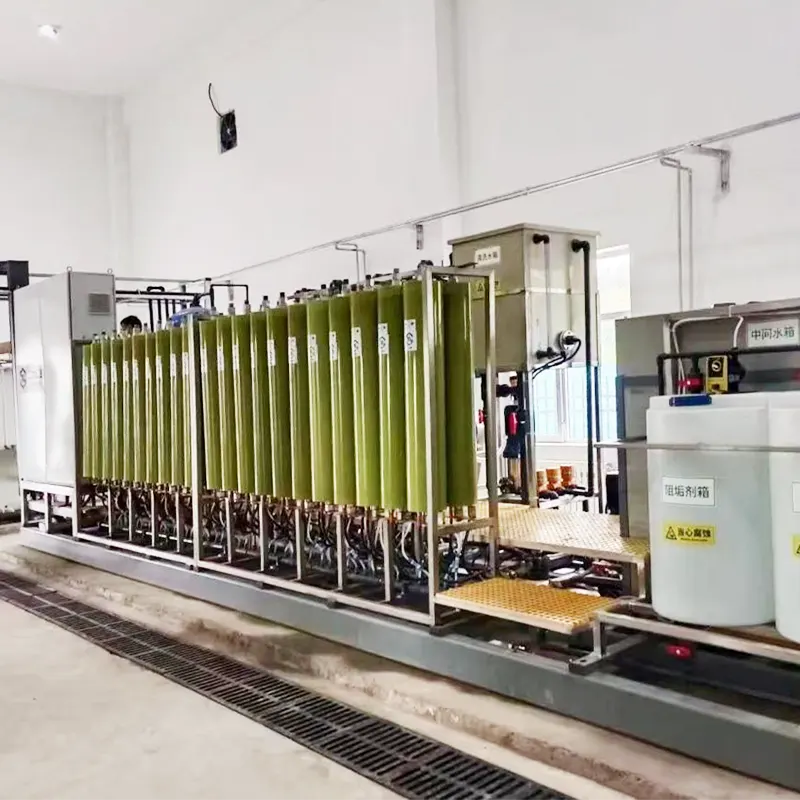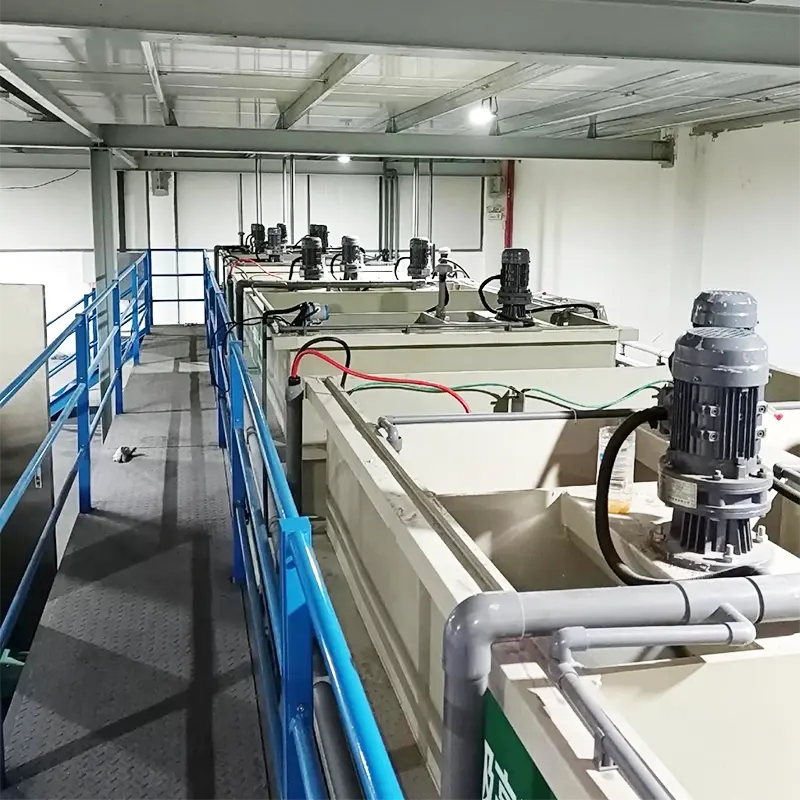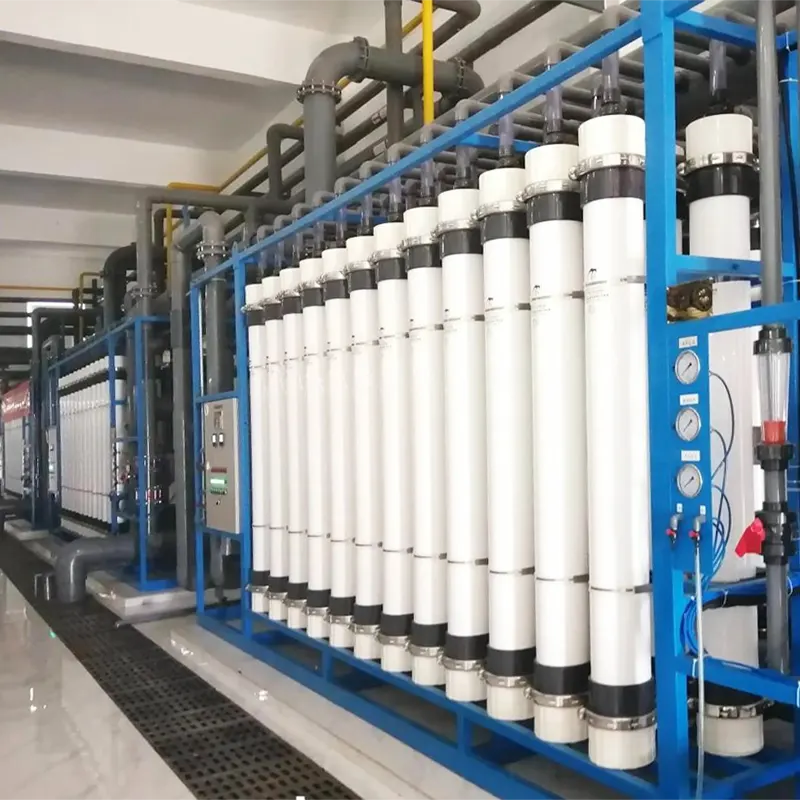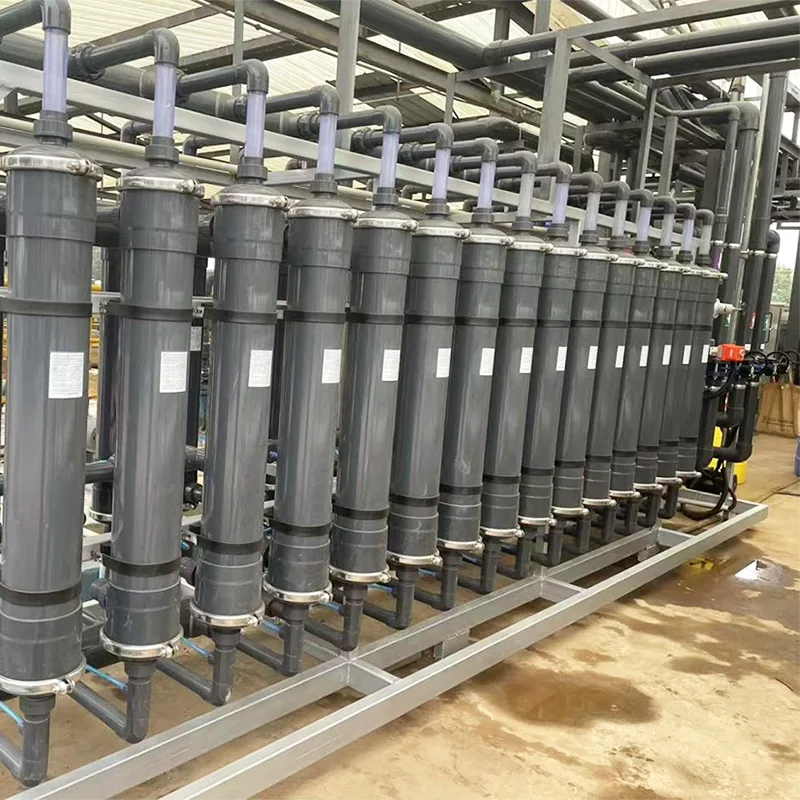
Ultrafiltration technology has become one of the most important innovations in modern food processing, enabling manufacturers to achieve higher product purity, improved nutritional value, and more efficient production processes. In the food industry, where consistency, safety, and quality are critical, ultrafiltration equipment plays a central role in separating macromolecules such as proteins, fats, and polysaccharides from liquids without altering their natural structure. This article explores how ultrafiltration equipment is applied across dairy, beverage, plant-based protein, and specialty food industries, while addressing common operational challenges such as membrane fouling, energy consumption, and maintenance complexity. It also provides guidance on equipment selection, system optimization, and long-term performance management. By understanding the principles and practical applications of ultrafiltration, food manufacturers can significantly improve product quality and operational efficiency in a competitive global market.
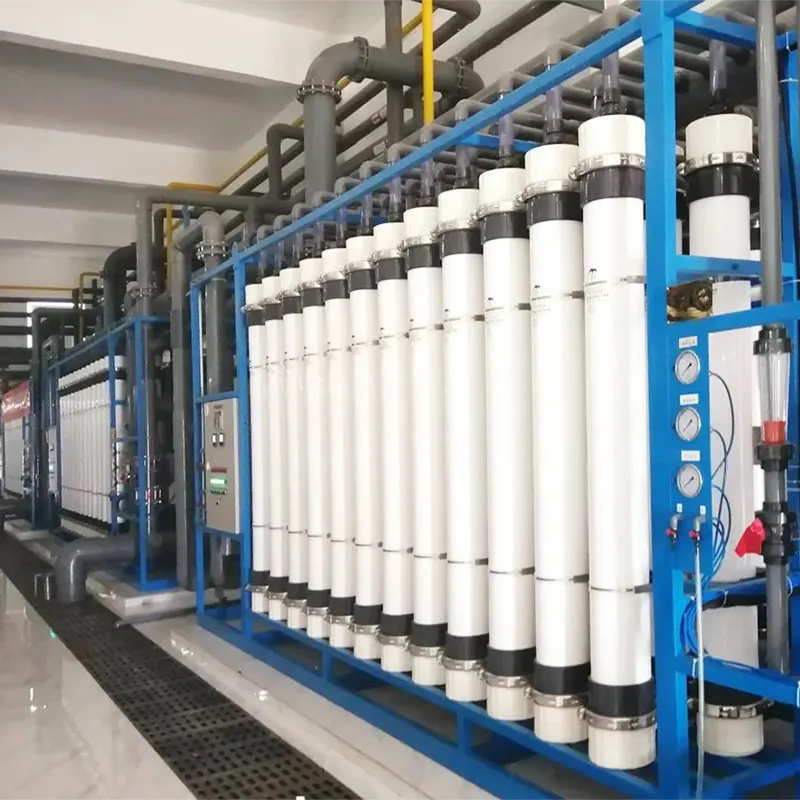
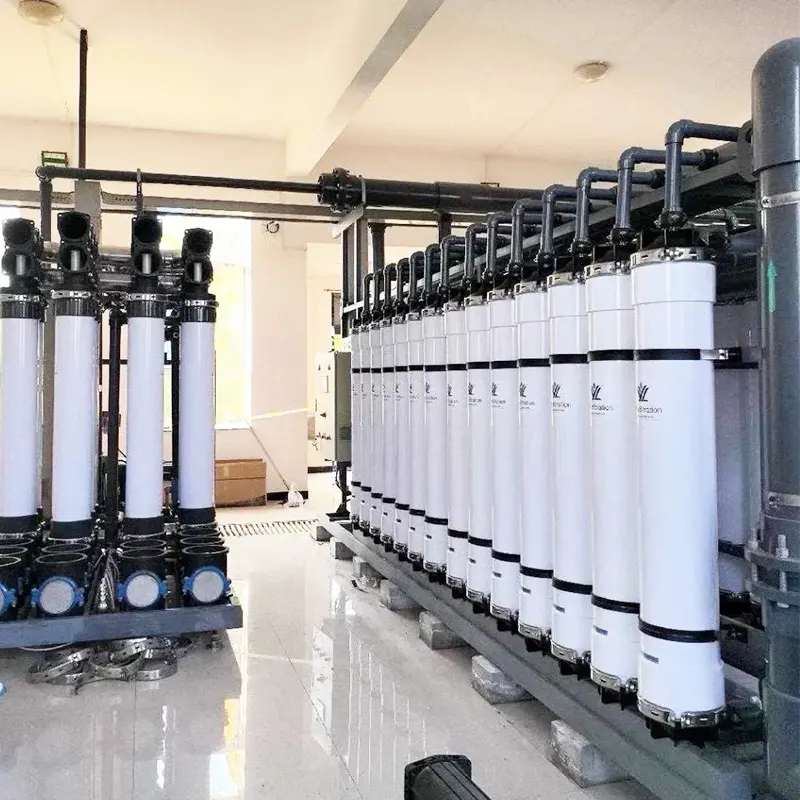
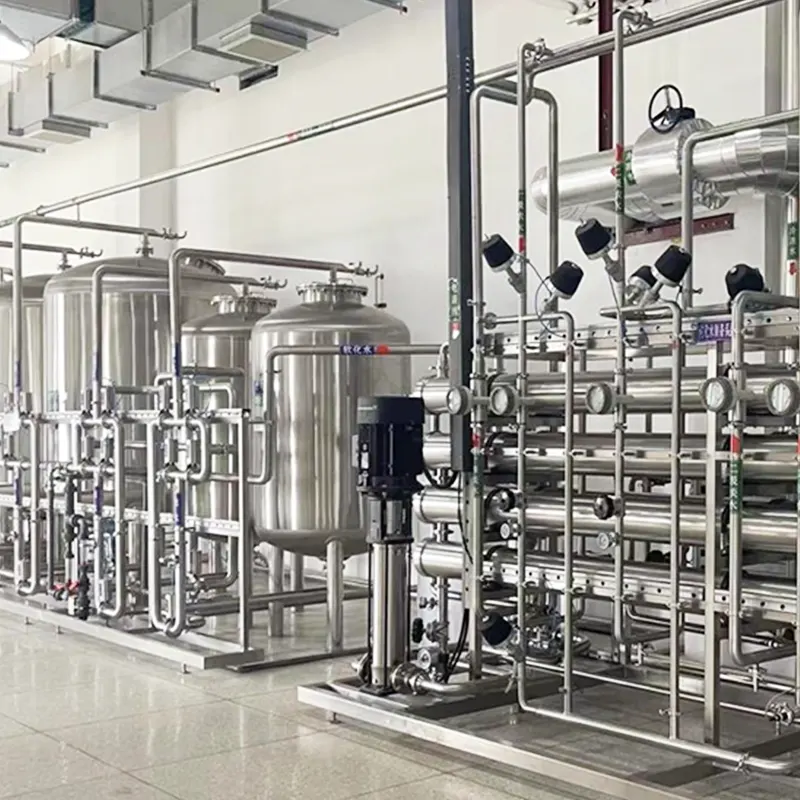
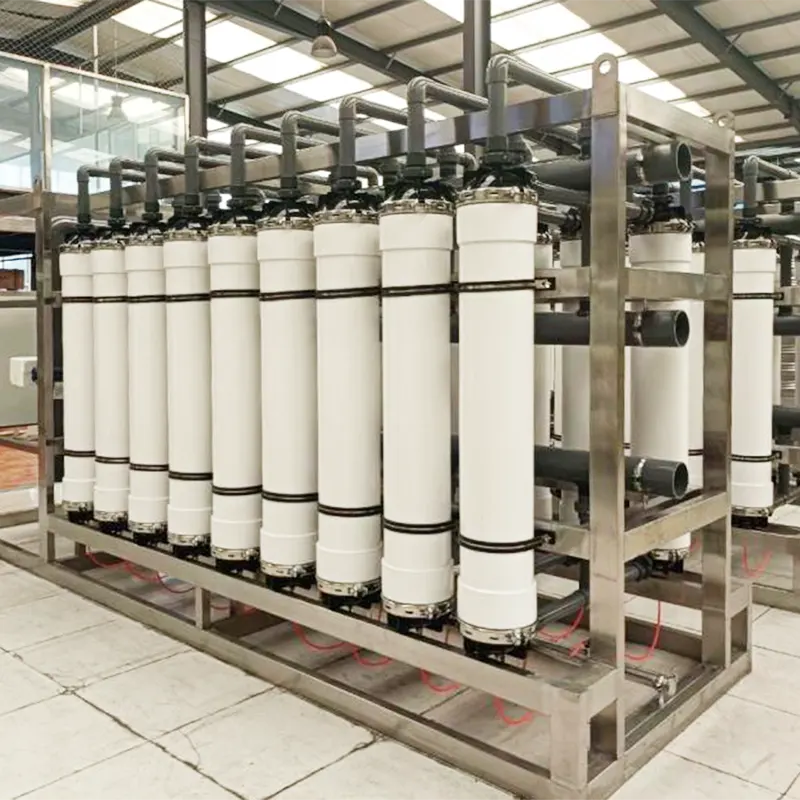
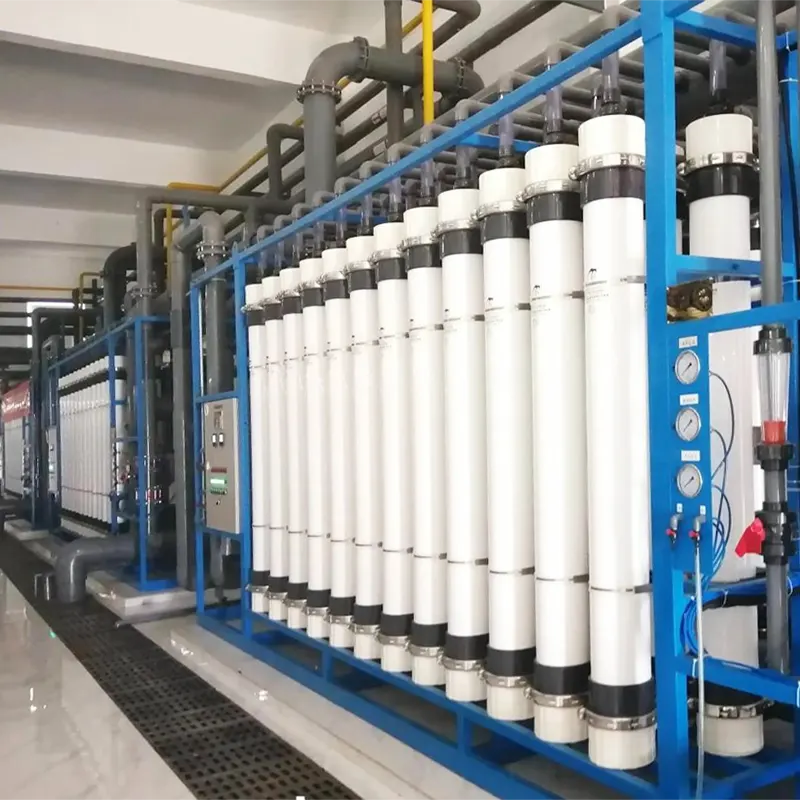
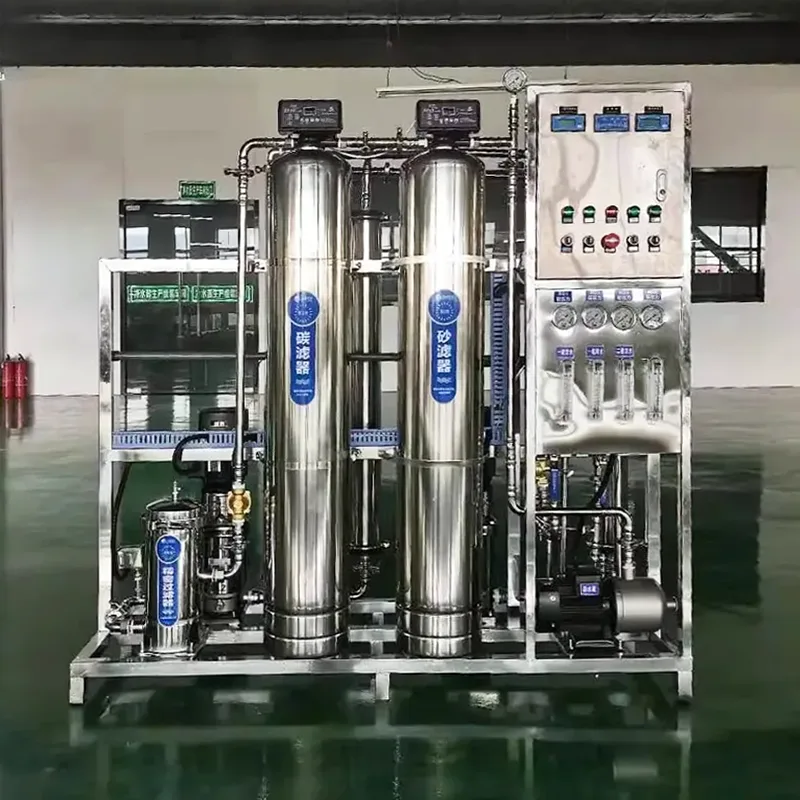
Ultrafiltration is a membrane-based separation technology widely used in the food industry to separate suspended solids, macromolecules, and solutes from liquids. Unlike traditional thermal processing methods, ultrafiltration operates under low temperature conditions, preserving the natural flavor, nutrients, and functional properties of food products.
In modern food manufacturing, consumer demand for clean-label, high-protein, and minimally processed foods has increased significantly. As a result, ultrafiltration equipment for the food industry has become a core solution for manufacturers aiming to enhance product quality while maintaining operational efficiency.
Ultrafiltration operates using semi-permeable membranes with pore sizes typically ranging from 0.01 to 0.1 microns. These membranes allow water and small molecules to pass through while retaining larger molecules such as proteins, fats, and polysaccharides.
Basic Process Flow:
This selective filtration process allows food producers to refine products without damaging their molecular structure, ensuring better texture and nutritional retention.
The adoption of ultrafiltration equipment brings significant advantages to food manufacturers across multiple production stages.
These advantages make ultrafiltration a preferred solution for companies aiming to modernize production lines and improve sustainability performance.
Ultrafiltration technology is widely applied across various segments of the food and beverage industry.
In dairy processing, ultrafiltration is used for milk concentration, whey protein recovery, and lactose reduction. It enables the production of high-protein dairy products such as yogurt and cheese with improved texture and nutritional content.
For juices and plant-based beverages, ultrafiltration removes pulp, haze, and microorganisms while preserving natural flavor and color.
With the rise of vegan and plant-based diets, ultrafiltration plays a key role in extracting proteins from soy, peas, and other plant sources efficiently.
The technology is also used for clarification and stabilization in wine and beer production, ensuring consistent taste and appearance.
Despite its advantages, ultrafiltration systems come with operational challenges that manufacturers must address to ensure optimal performance.
Proper system design and maintenance strategies can significantly reduce these issues and extend equipment lifespan.
Selecting suitable ultrafiltration equipment for the food industry requires careful evaluation of production requirements and operational conditions.
| Factor | Description |
|---|---|
| Membrane Material | Select based on chemical resistance and food compatibility |
| Filtration Capacity | Match system throughput with production scale |
| Automation Level | Higher automation improves consistency and reduces labor costs |
| Cleaning System | Integrated CIP system ensures long-term efficiency |
| Energy Efficiency | Lower energy consumption reduces operational costs |
Proper maintenance is essential for ensuring consistent performance of ultrafiltration systems. The most common method used in the food industry is Clean-in-Place (CIP) technology.
Implementing a well-structured maintenance plan significantly reduces downtime and extends equipment lifespan.
The following table illustrates how ultrafiltration equipment improves efficiency across different food processing applications:
| Industry | Application | Result |
|---|---|---|
| Dairy | Whey protein concentration | Higher protein yield and reduced waste |
| Juice Processing | Clarification of fruit juice | Improved clarity and shelf life |
| Plant Protein | Soy protein extraction | Higher purity plant protein isolates |
| Beverage | Beer stabilization | Consistent flavor and appearance |
The future of ultrafiltration in the food industry is driven by innovation in membrane materials, automation, and sustainability-focused design.
As global demand for high-quality food products continues to grow, ultrafiltration technology will remain a key driver of innovation.
Q1: What is ultrafiltration used for in the food industry?
It is used to separate proteins, fats, and impurities while retaining valuable nutrients in liquids such as milk, juice, and plant extracts.
Q2: Is ultrafiltration safe for food processing?
Yes, it is a physical separation process that does not involve chemical additives, making it safe for food applications.
Q3: How often do membranes need replacement?
Depending on usage and maintenance, membranes typically last between 1–3 years.
Q4: Can ultrafiltration improve product shelf life?
Yes, by removing microorganisms and impurities, it significantly extends shelf stability.
Q5: What industries benefit most from ultrafiltration?
Dairy, beverage, plant protein, and fermentation-based industries benefit the most.
Ultrafiltration equipment has transformed the food industry by enabling efficient, high-quality, and sustainable production processes. From dairy refinement to plant protein extraction, its applications continue to expand as consumer demand for clean and nutritious food grows. Although operational challenges exist, proper system selection, maintenance, and optimization can significantly enhance performance and reduce costs.
For advanced ultrafiltration solutions tailored to your production needs, Wuxi Jingbo Environmental Protection Technology Co., Ltd. provides professional-grade equipment and engineering support designed to improve efficiency and product quality.
If you are looking to upgrade your food processing system or optimize your existing production line, feel free to contact us for more technical details, customized solutions, and expert consultation.
Phone: +86-13852863490
Mobile: +86-510-87838831
E-mail: wangxinyi@jingboep.com
Address:Xujing Village, Gaocheng Town Industrial Concentration Zone, Yixing City, Jiangsu Province, China
Copyright © 2025 Wuxi Jingbo Environmental Protection Technology Co., Ltd. All Rights Reserved.