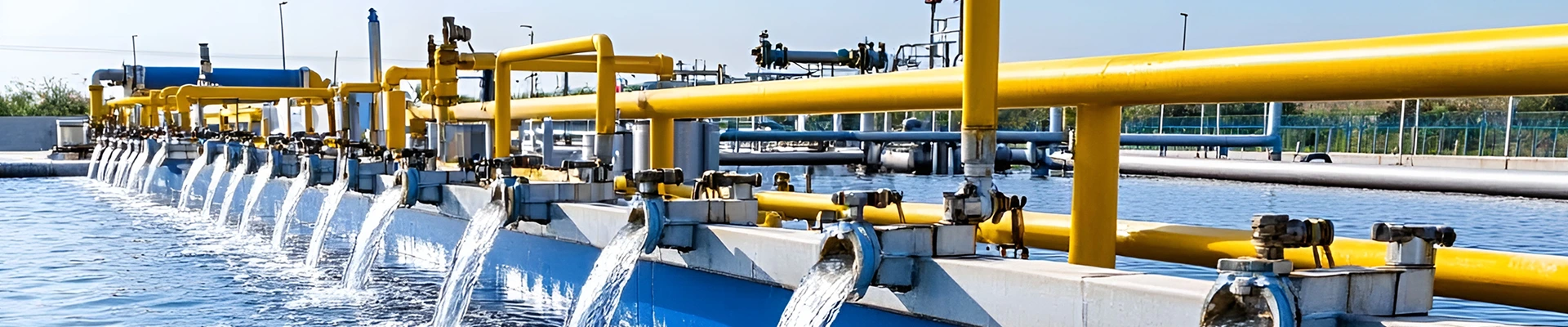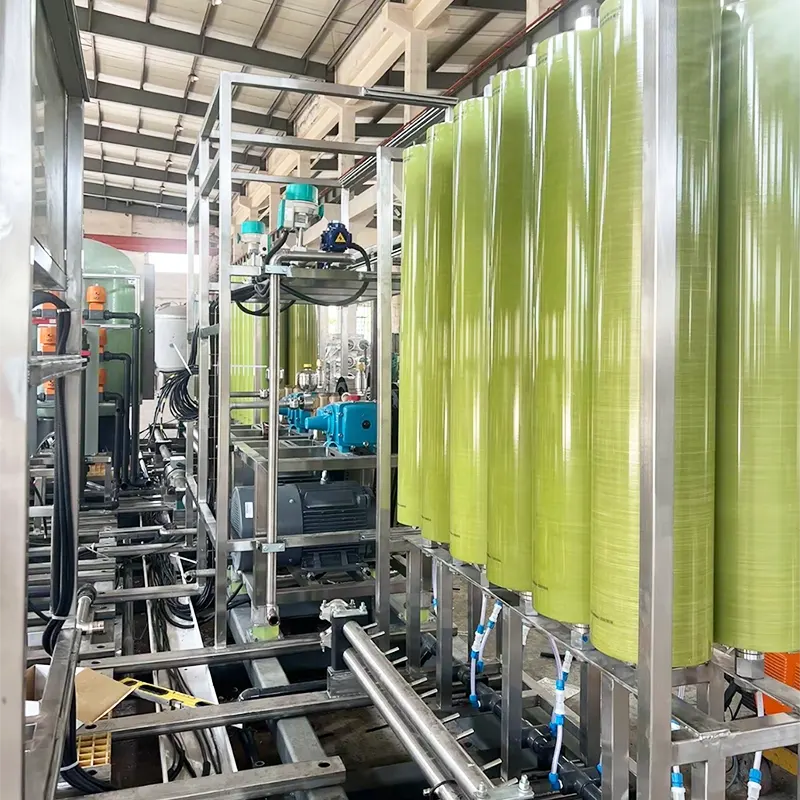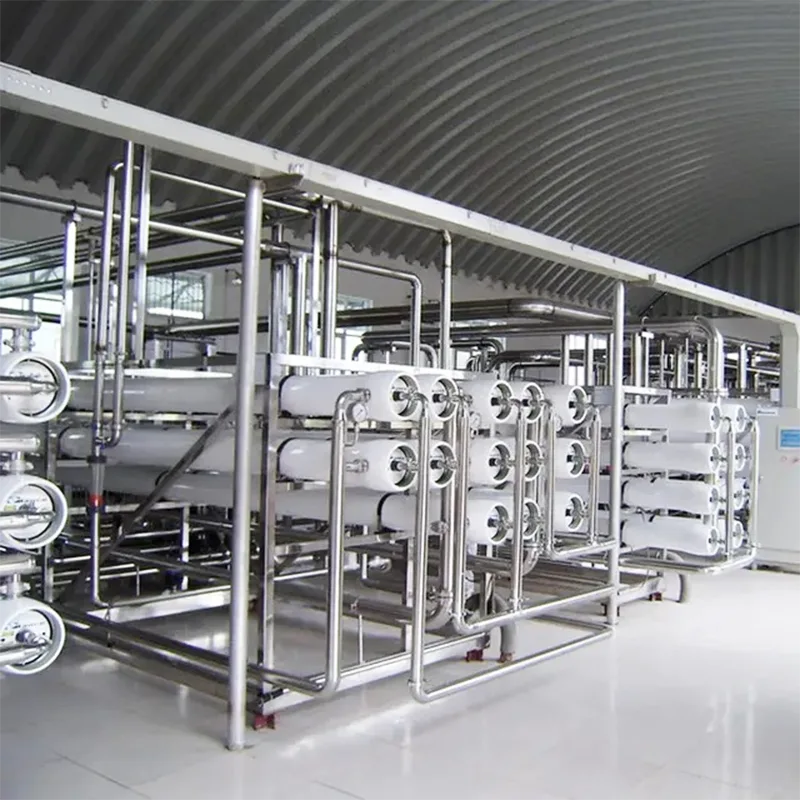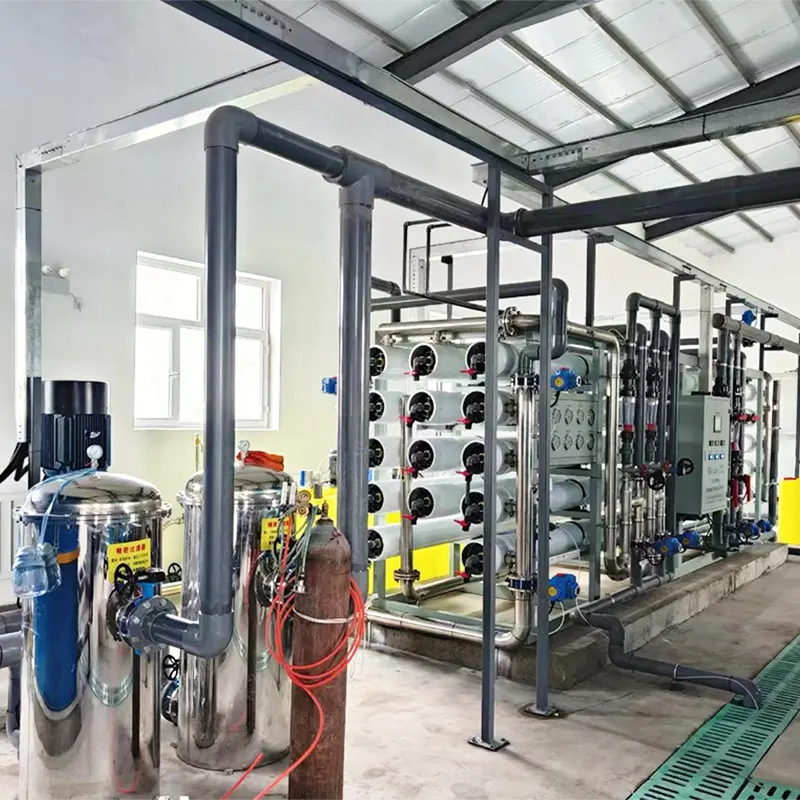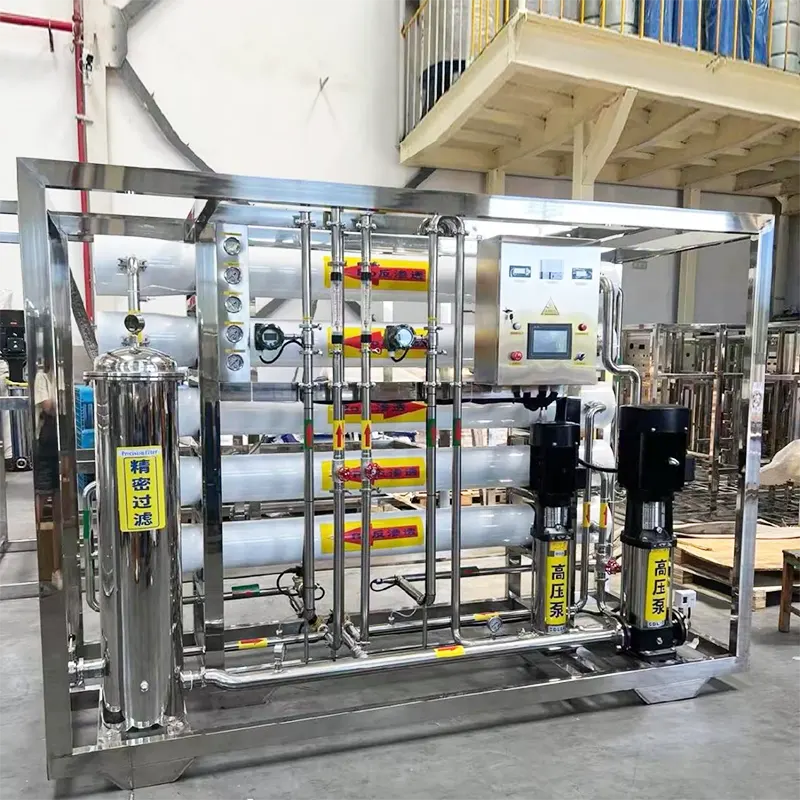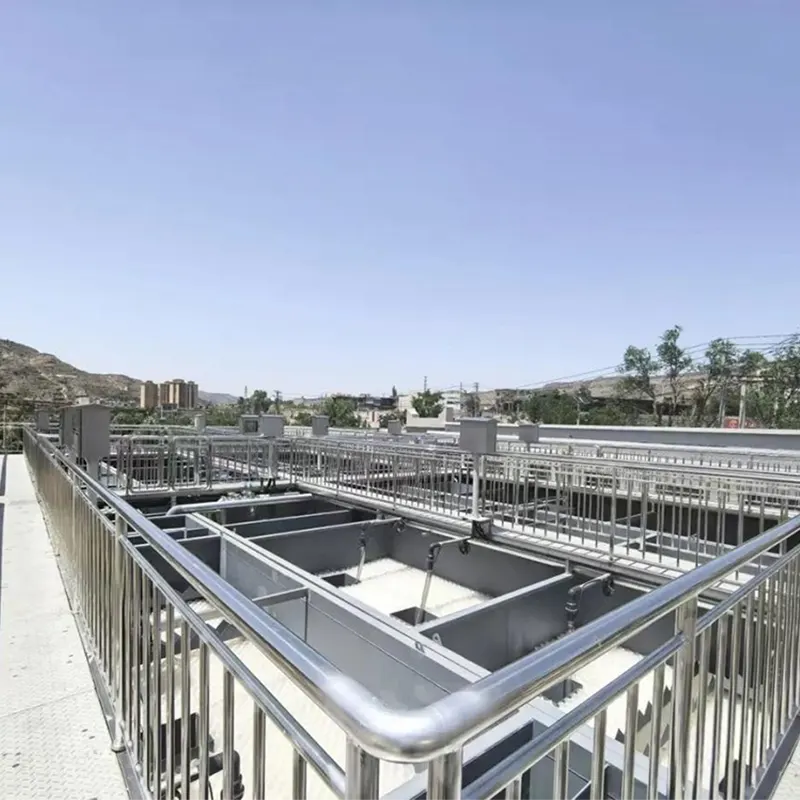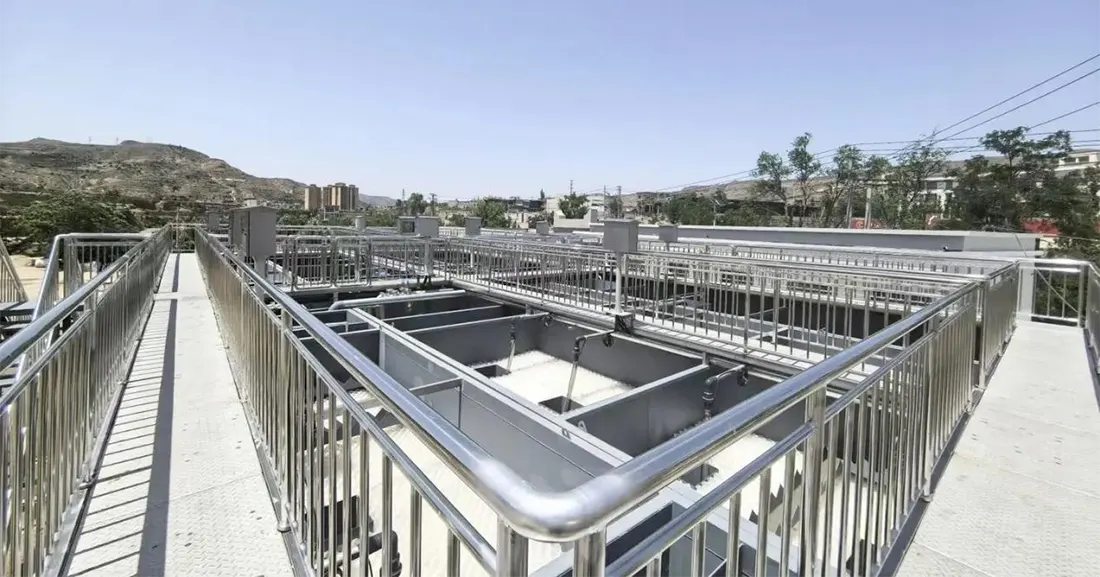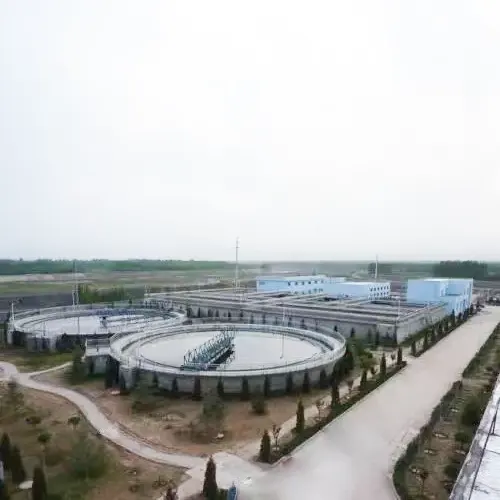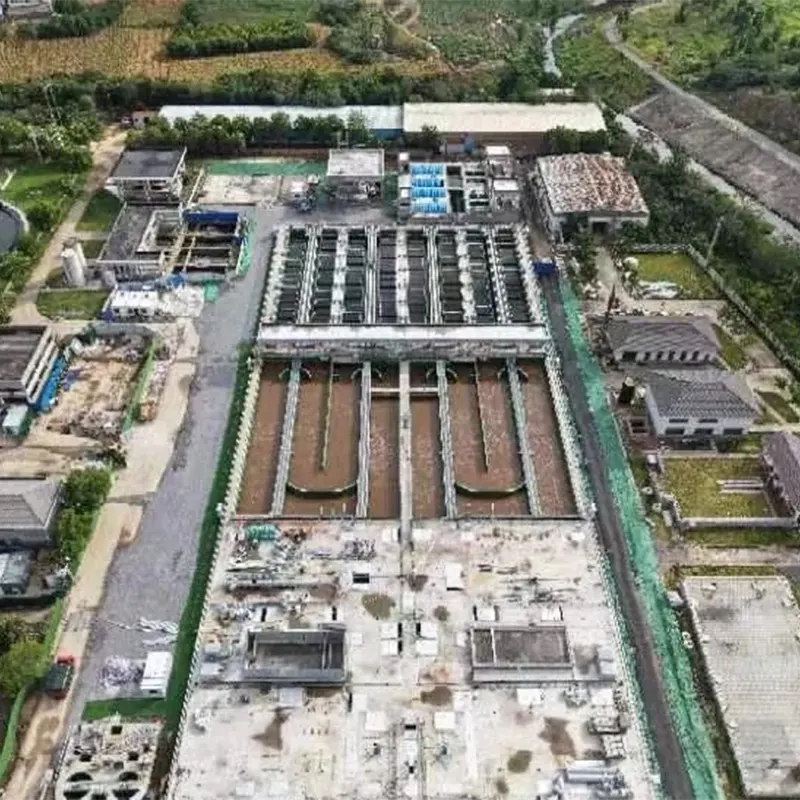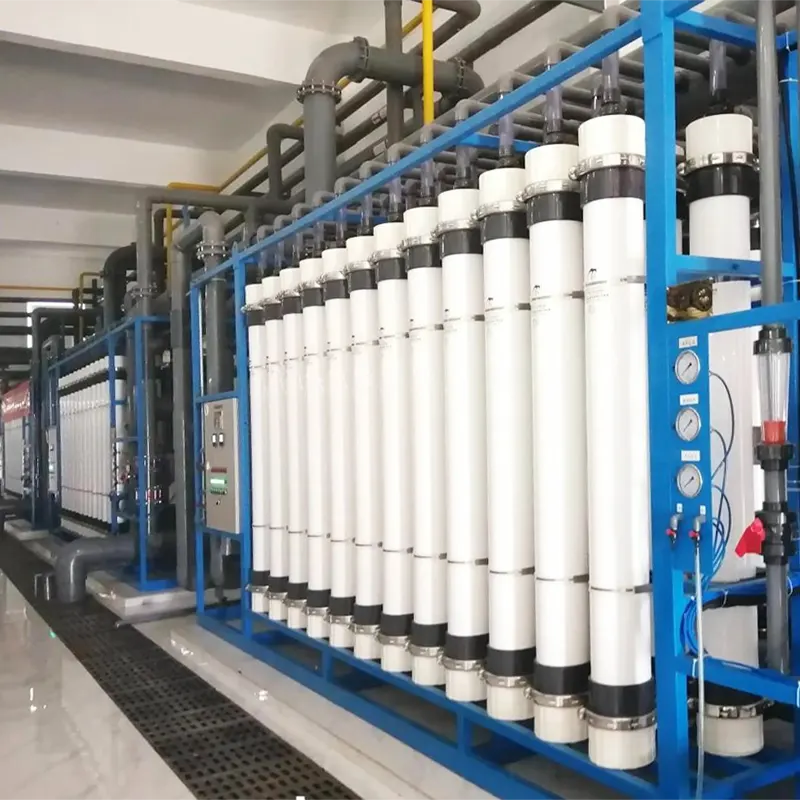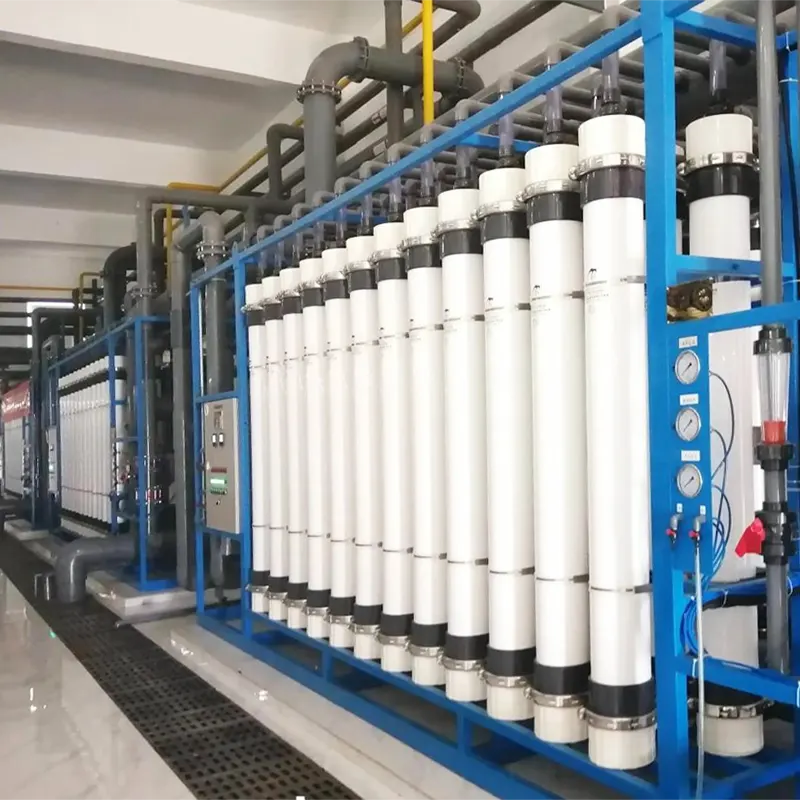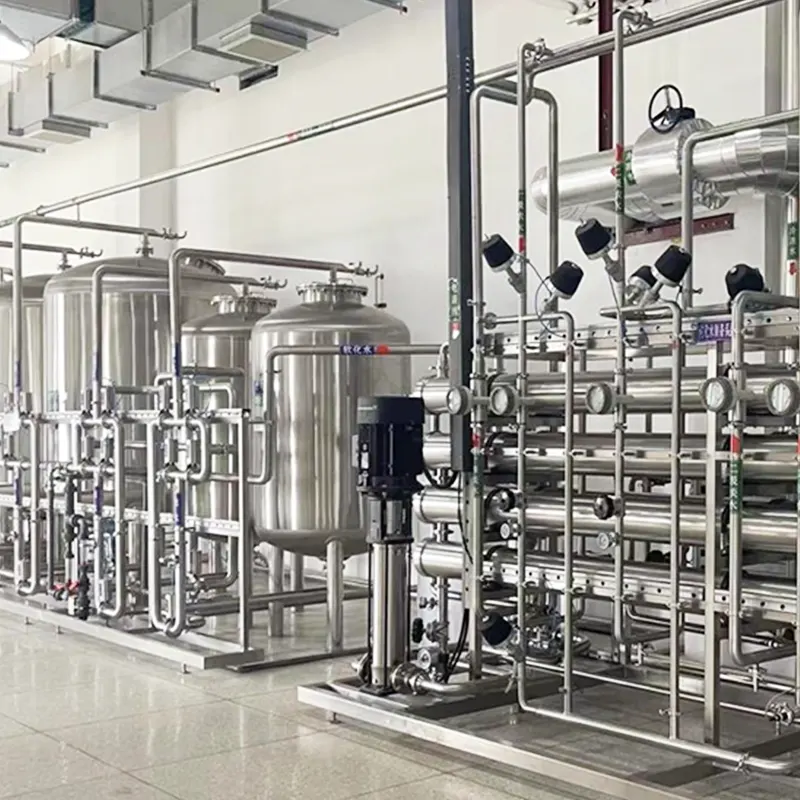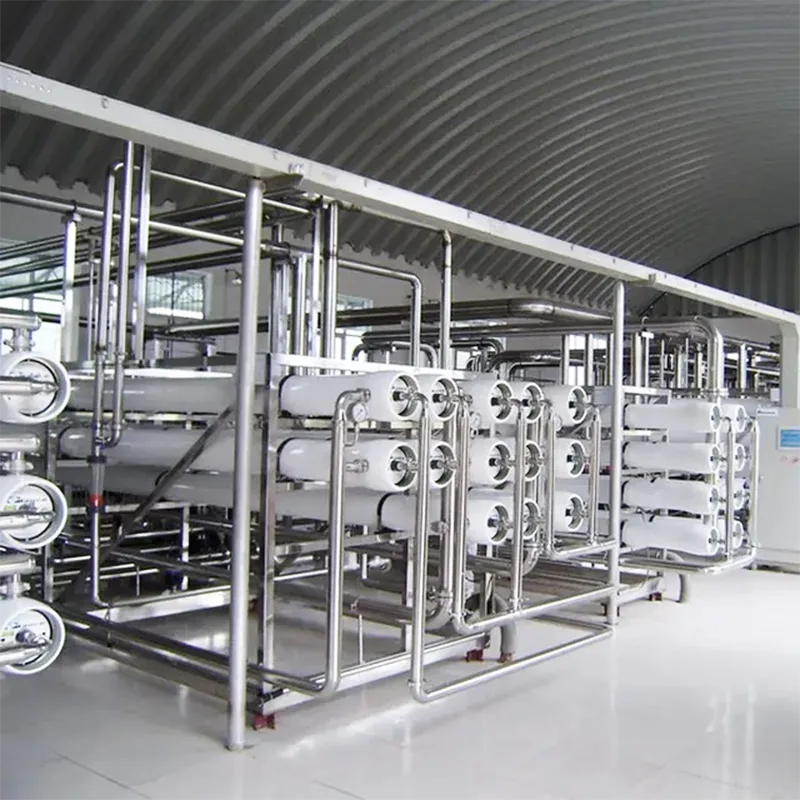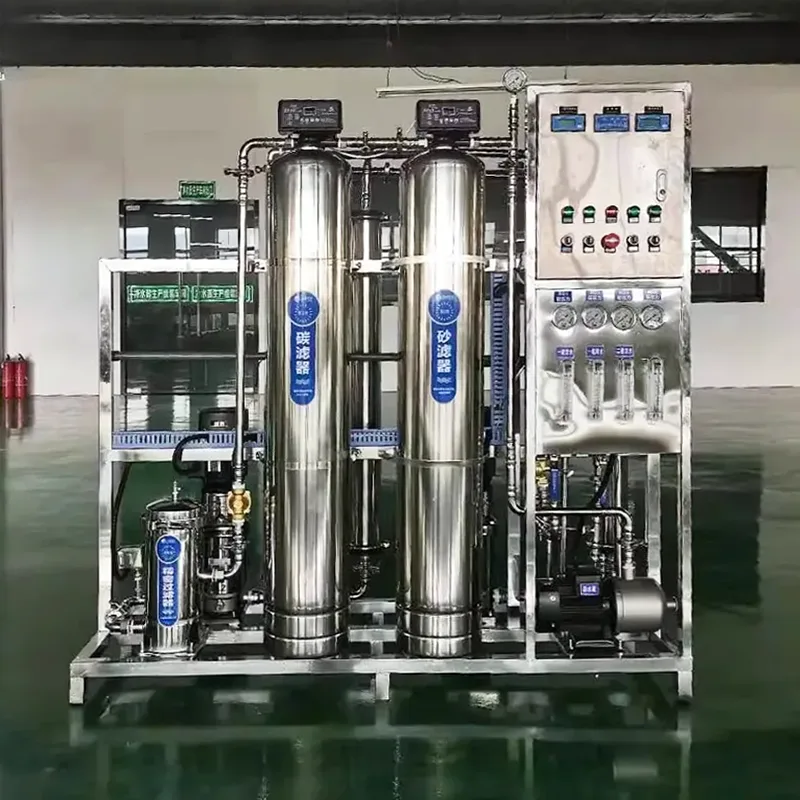
Wuxi Jingbo Environmental Protection Technology, a professional environmental engineering manufacturer based in China, specializes in Urban Wastewater Biological Treatment Engineering, which, simply put, means helping cities clean up their wastewater. As a reliable supplier of urban environmental solutions, we operate on a principle: minimize costs while effectively removing organic matter, nitrogen, and phosphorus – pollutants that contaminate water – ensuring the treated water either meets standards for discharge into natural water bodies or can be reused for purposes such as watering plants or street cleaning. What’s more, our dedicated factory is equipped with mature R&D and production lines to support the stable operation of all our treatment systems.
The core step in Jingbo's Urban Wastewater Biological Treatment Engineering is called "biological treatment," which relies on microorganisms to "do the work." These invisible bacteria and other microorganisms break down the dissolved, glue-like organic matter in the wastewater into harmless substances like carbon dioxide and water. A parameter called BOD (Biochemical Oxygen Demand) indicates the amount of organic matter in the water; biological treatment primarily aims to reduce this BOD. Furthermore, these microorganisms don't work individually; they form clumps of flocculent "sludge particles," working together efficiently.
Product Features
There are two common treatment methods used in Urban Wastewater Biological Treatment Engineering. One is the activated sludge method, currently the most widely used: wastewater and "activated sludge" containing microorganisms are placed in a tank, and air is continuously pumped into the tank to provide oxygen for the microorganisms. The microorganisms grow and reproduce by consuming the organic matter in the wastewater. The mixed liquid then flows to a secondary sedimentation tank, where the sludge settles to the bottom. Most of the sludge is returned to the previous tank to continue "working," while the clear water goes to the next stage.
The other method is the biofilm method, where microorganisms attach to the surface of materials like crushed stone or plastic fillers, forming a sticky "film." As the wastewater flows through, the organic matter is "eaten" by the microorganisms on the film. Biological filters and rotating biological contactors are examples of this method. This entire process removes 85%-95% of the pollutants and suspended solids from the water, making it clearer, although the removal of nitrogen and phosphorus is less effective.
This type of wastewater treatment engineering is not simply a matter of using a single piece of equipment; it's a large system combining many units such as screens, pump stations, grit chambers, biochemical tanks, and disinfection facilities, along with electrical, automatic control, and instrumentation technologies. Furthermore, the design, construction, and operation must strictly adhere to national and local environmental regulations.
Product Parameters
Project
Design Inlet Water Quality
Guaranteed Outlet Water Quality
Removal Rate
COD(mg/L)
≤400
≤50
≥ 87.5%
BOD₅(mg/L)
≤ 200
≤ 10
≥ 95.0%
TN(mg/L)
≤ 45
≤ 15
≥ 66.7%
TP(mg/L)
≤ 5
≤ 0.5
≥ 90.0%
Product Advantages
The advantages of Urban Wastewater Biological Treatment Engineering are numerous. It reduces pollutants discharged into rivers, treats black and odorous water bodies, and kills bacteria in the water, preventing the spread of infectious diseases through water, making people healthier and improving the urban environment. Furthermore, the technologies used are quite mature; methods like the activated sludge process have been around for over a hundred years, and they offer high treatment efficiency, achieving removal rates of over 90%-95% for BOD and suspended solids. Different process combinations can now be used to specifically address difficult-to-treat organic matter and nitrogen and phosphorus.
In addition, Urban Wastewater Biological Treatment Engineering can also recover resources. The treated water can be used for landscaping and industrial cooling; the sludge can produce biogas during treatment, which can be used for power generation and heating; and phosphorus can be recovered from the sludge, or the stabilized sludge can be used to improve soil, truly achieving "turning waste into treasure." Although construction and operation require investment, it avoids the even greater costs associated with water pollution, such as medical expenses and losses in agriculture and industry. Moreover, the larger the treatment scale, the more cost-effective it becomes. Many water treatment plants now use computer automatic control, and even utilize big data and AI for optimization, requiring fewer personnel, saving energy, and improving efficiency.
We use cookies to offer you a better browsing experience, analyze site traffic and personalize content. By using this site, you agree to our use of cookies.
Privacy Policy