Follow Us:

News

Wastewater Reuse Equipment In The Semiconductor Industry for Sustainable Water Management

2026-08-25 0 Leave me a message

The semiconductor industry relies heavily on high-quality water throughout wafer cleaning, chemical processing, cooling, and manufacturing procedures. As semiconductor production expands globally, factories are facing increasing challenges related to water consumption, wastewater treatment, and environmental compliance. Efficient wastewater recovery has become an important part of sustainable semiconductor manufacturing.

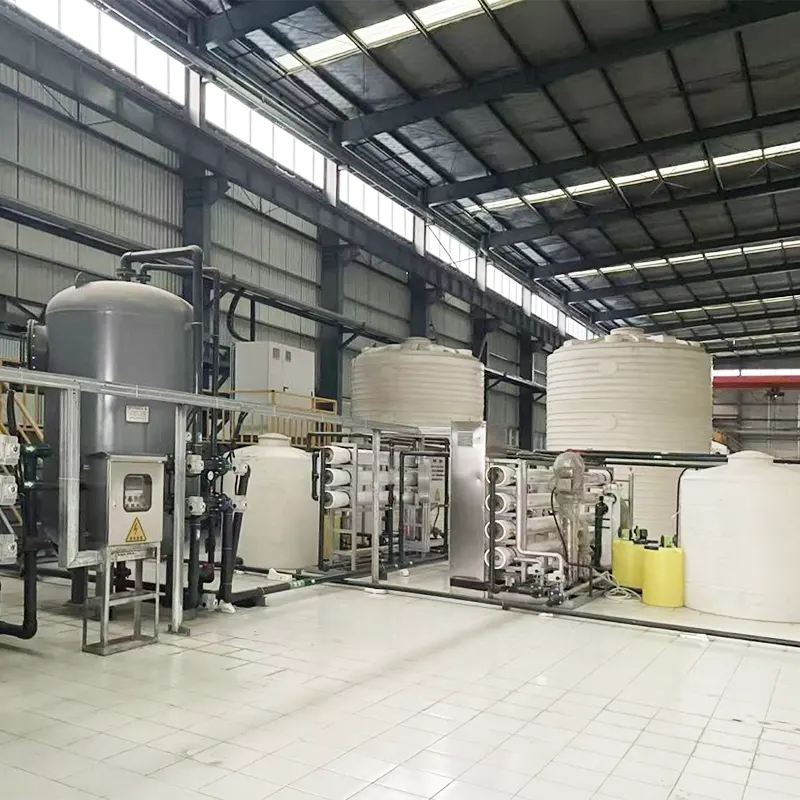
The Wastewater Reuse Equipment In The Semiconductor Industry from JINGBO is designed to help semiconductor manufacturers recover and reuse treated wastewater through customized purification technologies. By combining advanced filtration, membrane separation, and intelligent control systems, the equipment helps reduce freshwater consumption, minimize wastewater discharge, and improve resource utilization efficiency.

For semiconductor manufacturers, engineering contractors, and industrial water treatment buyers, selecting suitable wastewater reuse equipment requires consideration of wastewater characteristics, treatment capacity, reuse standards, system stability, maintenance requirements, and long-term operating costs.

Why Wastewater Reuse Is Important for Semiconductor Manufacturing

High Water Demand in Semiconductor Production

Semiconductor fabrication processes require large amounts of water for wafer cleaning, surface treatment, cooling systems, and equipment operation. During production, wastewater may contain particles, chemicals, dissolved solids, and other substances that require professional treatment before reuse.

Unlike conventional industrial wastewater, semiconductor wastewater requires precise treatment solutions because water quality directly affects production stability and product yield.

Supporting Sustainable Factory Operations

With increasing environmental requirements and growing pressure on water resources, semiconductor companies are focusing on improving water recycling rates. Effective wastewater reuse systems allow factories to recover valuable water resources and reduce dependence on external water supplies.

The Wastewater Reuse Equipment In The Semiconductor Industry provides a customized approach for semiconductor plants seeking improved water efficiency and sustainable production management.

Core Parameters

Parameter Specification Buyer Consideration
Product Name Wastewater Reuse Equipment In The Semiconductor Industry Designed for semiconductor wastewater recycling applications
Brand Advanced Customized JINGBO Customized industrial water treatment solution provider
Application Industry Semiconductor, electronics, precision manufacturing Suitable for high-standard water management requirements
Treatment Process Pretreatment, filtration, membrane separation, purification Customized according to wastewater composition
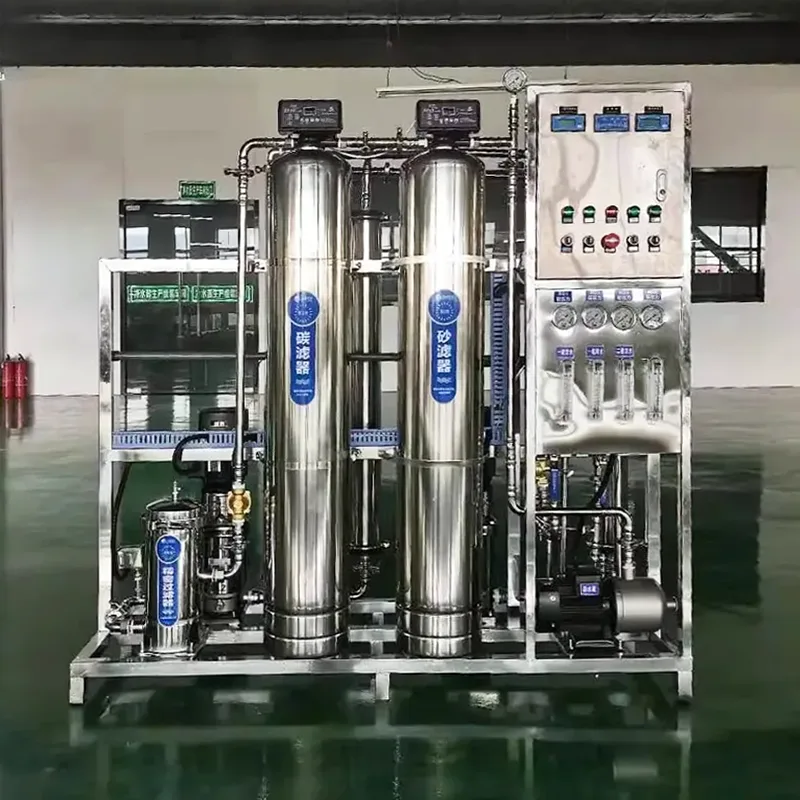
Main Technologies UF, RO, activated carbon filtration, EDI and other technologies Supports different water quality requirements
Capacity Customized according to project requirements Matches factory wastewater volume
Control System Automatic monitoring and intelligent operation Improves system efficiency and management convenience
Reuse Application Process water, cooling water, cleaning water reuse Reduces freshwater consumption
System Design Customized engineering solution Suitable for different factory layouts

The exact treatment capacity, recovery rate, outlet water quality, equipment configuration, and automation level should be determined according to the semiconductor factory's wastewater characteristics and reuse requirements.

How Semiconductor Wastewater Reuse Equipment Works

Pretreatment Process

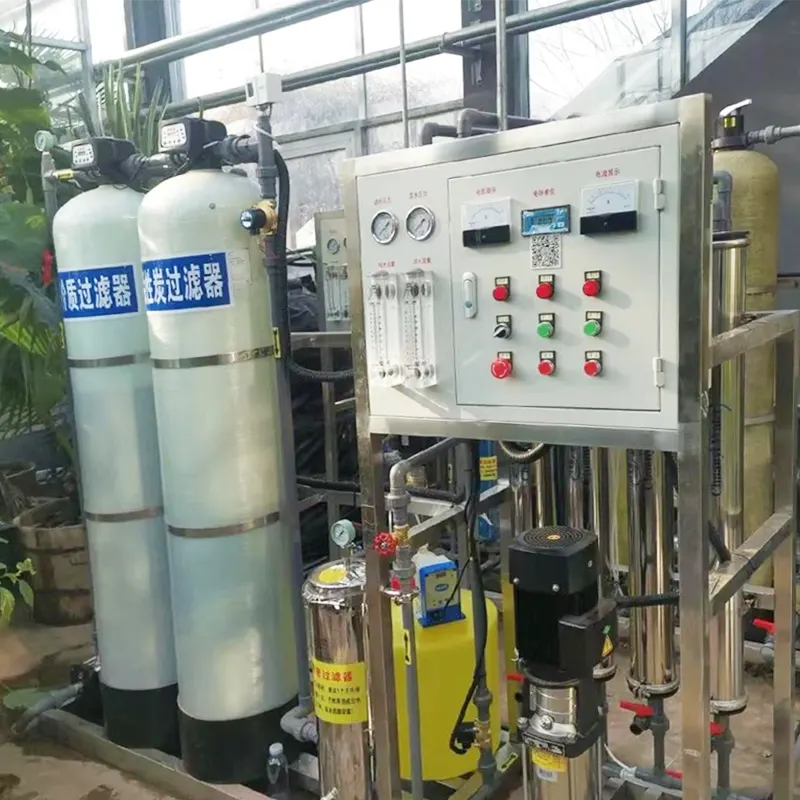
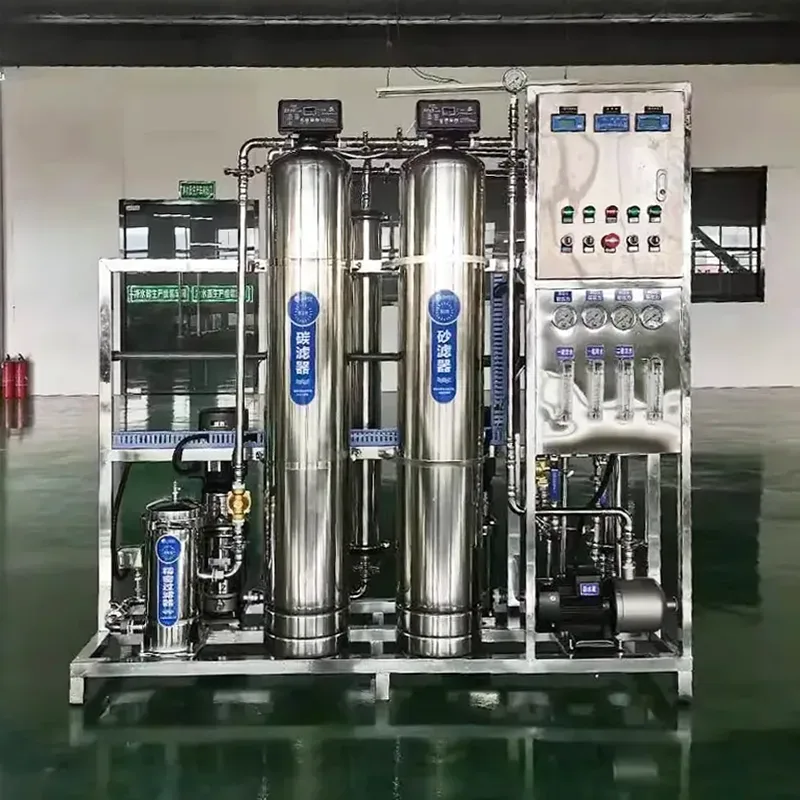
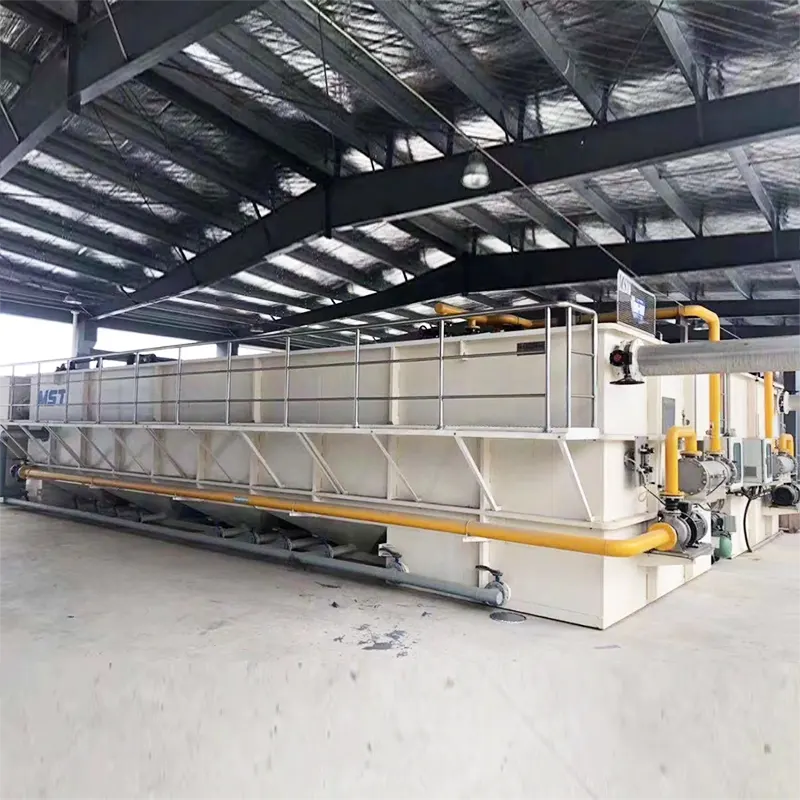
Pretreatment is the first step in wastewater recycling systems. It removes suspended solids, large particles, and other contaminants that may affect downstream purification equipment.

Effective pretreatment helps reduce membrane fouling, improve system stability, and extend the service life of key components.

Membrane Filtration Technology

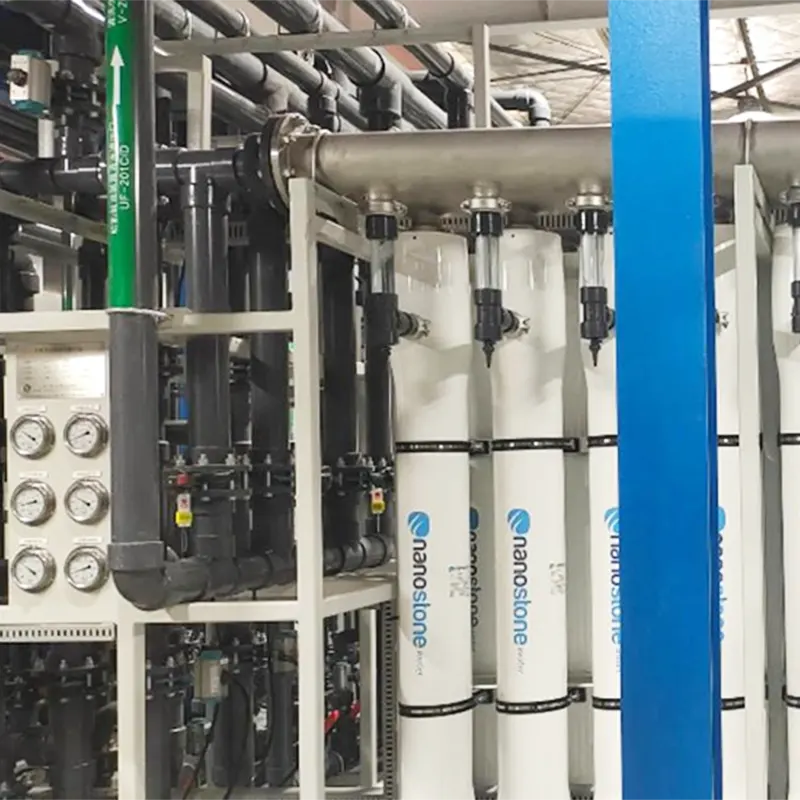
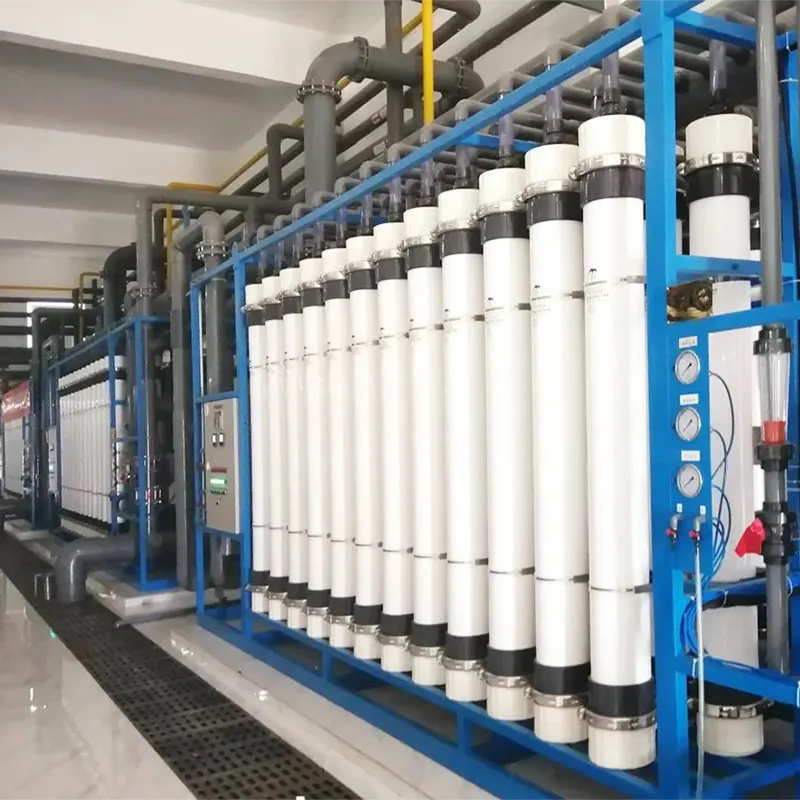
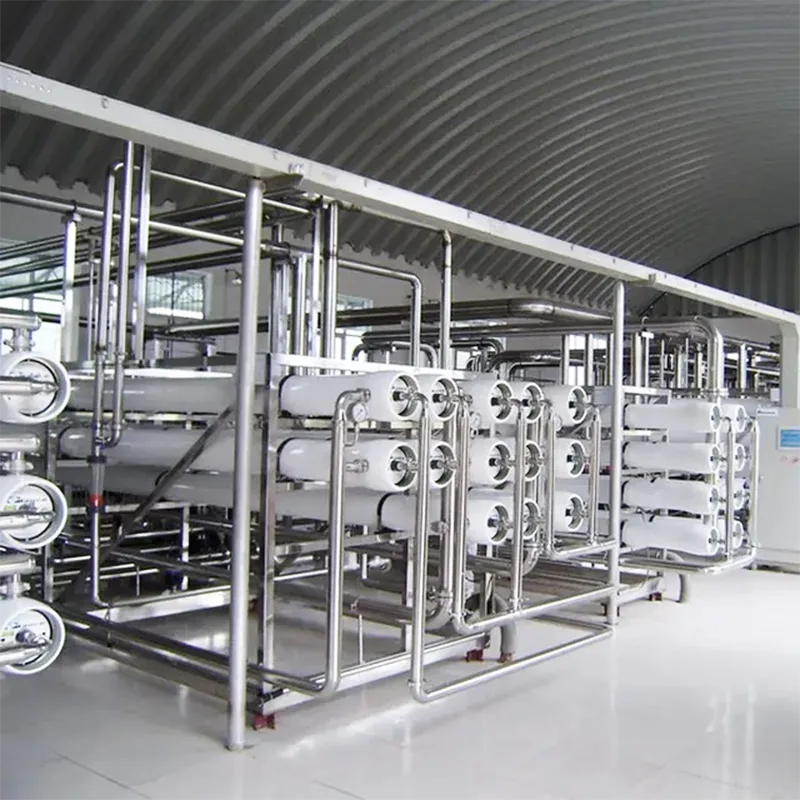
Membrane technologies such as ultrafiltration and reverse osmosis are commonly used in semiconductor wastewater treatment. These technologies separate impurities from water through selective filtration and help produce higher-quality recycled water.

Reverse osmosis systems can remove dissolved salts, ions, and fine contaminants, making them suitable for applications requiring higher purification levels.

Intelligent Control and Monitoring

Modern industrial water treatment systems integrate automatic control technologies to monitor operating parameters such as pressure, flow rate, conductivity, and water quality.

Real-time monitoring allows operators to adjust system performance and identify potential problems before they affect production.

Advantages of Advanced Customized JINGBO Wastewater Reuse Solutions

Customized System Design

Semiconductor wastewater varies depending on manufacturing processes, chemical usage, and production technology. A standardized system may not fully meet different factory requirements.

Advanced Customized JINGBO develops customized solutions based on wastewater analysis, production requirements, factory conditions, and environmental standards.

Improved Water Recovery Efficiency

A well-designed recycling system can recover suitable wastewater streams and convert them into reusable water resources. This reduces freshwater consumption and helps factories achieve better water management performance.

Stable Industrial Operation

Semiconductor factories often require continuous operation. Equipment reliability is therefore a critical factor when selecting a wastewater treatment system.

Through optimized process design, quality components, and automated control systems, JINGBO solutions support stable long-term operation.

Application Scenarios

Semiconductor Fabrication Plants

Wafer fabrication facilities consume significant amounts of water during cleaning and manufacturing processes. Wastewater reuse systems can treat suitable wastewater streams and return recovered water to selected production applications.

Integrated Circuit Manufacturing

IC production involves multiple chemical and precision processes that generate different types of wastewater. Customized treatment systems help manage these wastewater sources according to their characteristics.

Electronic Component Production

Electronic manufacturers also require efficient water management solutions for cleaning, cooling, and production support processes.

The Wastewater Reuse Equipment In The Semiconductor Industry helps electronic manufacturers improve resource efficiency while meeting environmental management requirements.

Key Technologies Used in Semiconductor Wastewater Recycling

Ultrafiltration Technology

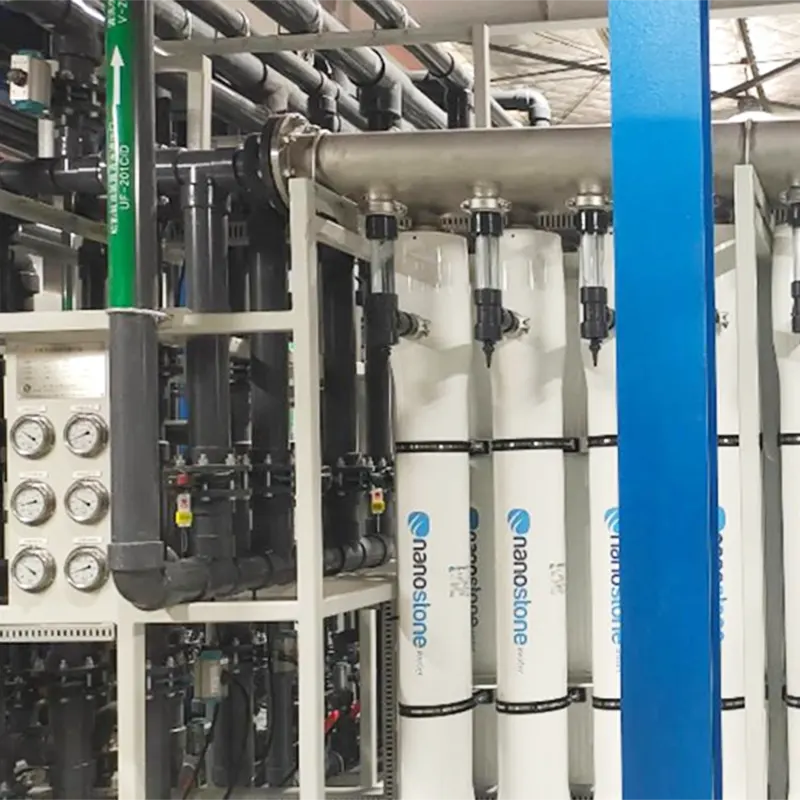
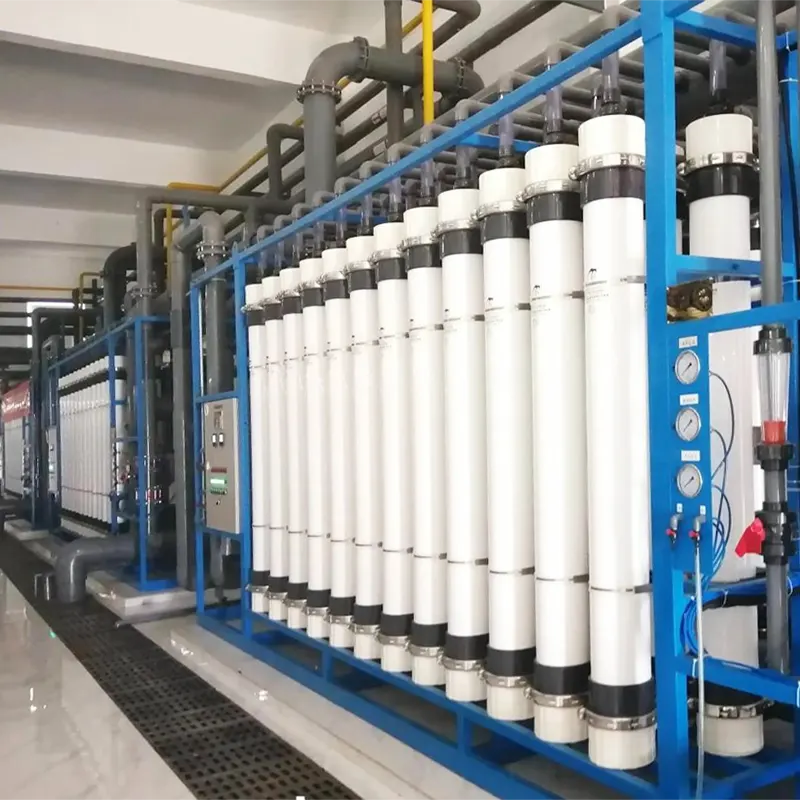
Ultrafiltration removes suspended particles, colloids, and microorganisms through membrane separation. It is commonly used as a pretreatment or purification stage before advanced filtration.

Reverse Osmosis Technology

Reverse osmosis uses pressure-driven membrane separation to remove dissolved substances from water. It is widely applied when recycled water requires higher purity levels.

EDI Purification Technology

Electrodeionization technology further improves water quality by removing ions without chemical regeneration. It is often used in applications requiring stable high-purity water.

Factors to Consider When Selecting Wastewater Reuse Equipment

Analyze Wastewater Characteristics

Before selecting equipment, buyers should evaluate wastewater composition, including chemical content, conductivity, suspended solids, and organic pollutants.

Accurate analysis helps determine suitable treatment processes and improves system efficiency.

Define Water Reuse Requirements

Different reuse applications require different water quality standards. Semiconductor companies should identify whether recycled water will be used for cooling, cleaning, production support, or other purposes.

Consider Future Expansion

Semiconductor factories often expand production capacity over time. Modular and flexible system designs allow easier upgrades when water treatment requirements increase.

Maintenance Requirements

Regular Membrane Cleaning

Membrane components require periodic cleaning to maintain filtration efficiency. Proper maintenance reduces fouling and helps extend equipment service life.

Equipment Inspection

Regular inspection of pumps, valves, sensors, pipelines, and control systems helps maintain stable operation and reduce unexpected downtime.

Water Quality Monitoring

Continuous monitoring ensures that treated water meets the required reuse standards and provides data for system optimization.

Why Choose Advanced Customized JINGBO

Advanced Customized JINGBO specializes in industrial water treatment equipment and customized wastewater recycling solutions. The company provides engineering services covering system design, equipment manufacturing, installation support, and technical assistance.

JINGBO focuses on providing customized solutions for industries with strict water quality requirements, including semiconductor manufacturing, electronics production, and precision industrial applications.

By combining engineering experience with advanced treatment technologies, JINGBO helps global customers improve water utilization efficiency and achieve more sustainable production goals.

Final Considerations

The Wastewater Reuse Equipment In The Semiconductor Industry plays an important role in modern semiconductor manufacturing by helping factories reduce water consumption, improve wastewater management, and support sustainable development.

The solution provided by Advanced Customized JINGBO combines customized design, advanced purification technologies, and intelligent management systems to meet the complex requirements of semiconductor wastewater recycling.

For semiconductor manufacturers, engineering companies, and industrial buyers, selecting the right wastewater reuse system requires careful evaluation of wastewater characteristics, treatment technology, operating conditions, maintenance requirements, and supplier capabilities. A properly designed recycling system can improve production sustainability and provide long-term value for semiconductor facilities.

Related News
Leave me a message
X
We use cookies to offer you a better browsing experience, analyze site traffic and personalize content. By using this site, you agree to our use of cookies.Privacy Policy