Follow Us:

News

How Can Ultrafiltration Equipment for Flower Cultivation Improve Water Quality, Boost Yields, and Reduce Operating Costs

2026-02-28 0 Leave me a message

In modern floriculture, water quality plays a decisive role in plant health, bloom size, color vibrancy, and overall yield. Ultrafiltration Equipment for Flower Cultivation has become a critical solution for greenhouse growers seeking to remove suspended solids, bacteria, algae, and colloids from irrigation water without using excessive chemicals. This comprehensive guide explains how ultrafiltration (UF) systems work, why they are essential in commercial flower cultivation, how they compare to traditional filtration systems, and how growers can implement them efficiently. The article also explores cost savings, sustainability benefits, system components, installation steps, maintenance strategies, and real-world application insights from professional manufacturers such as Wuxi Jingbo.

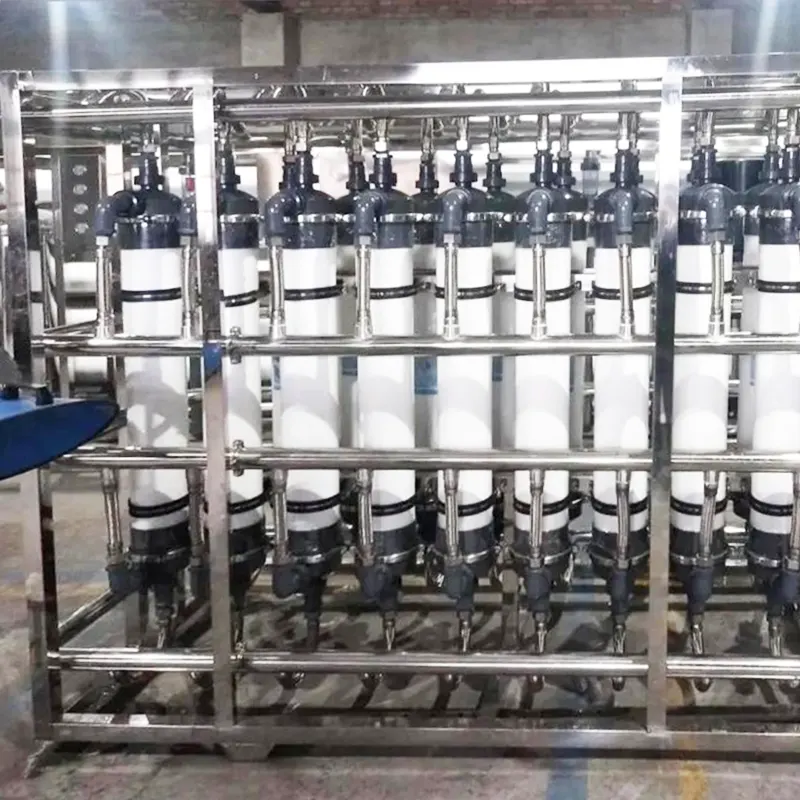
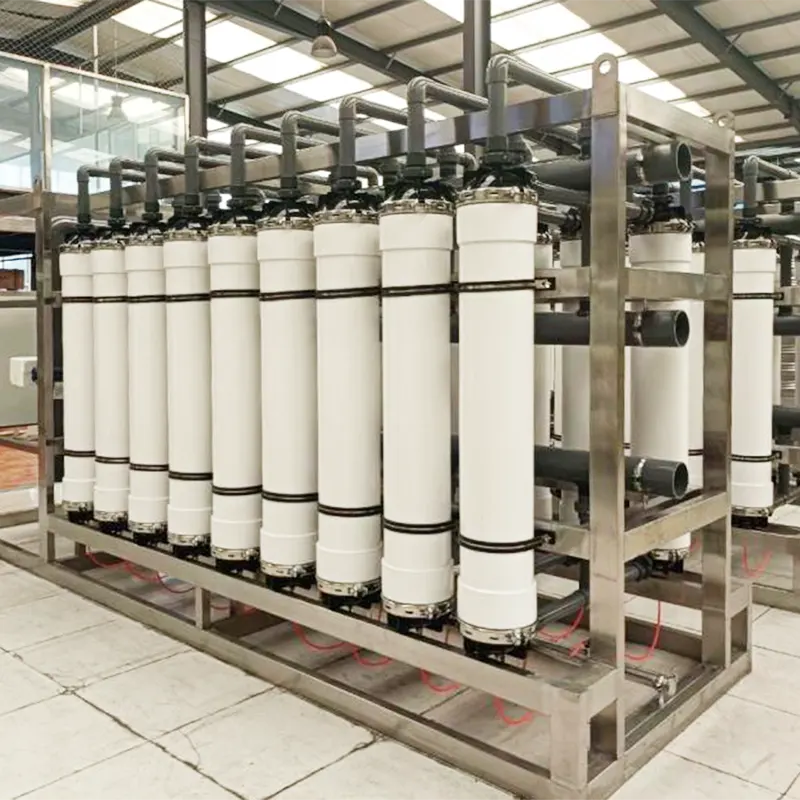
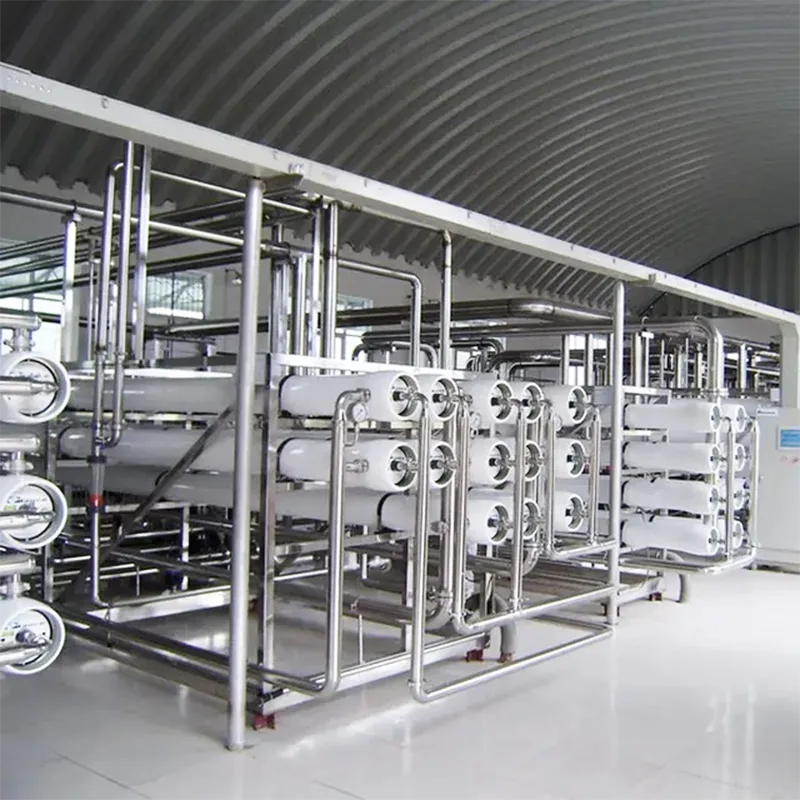
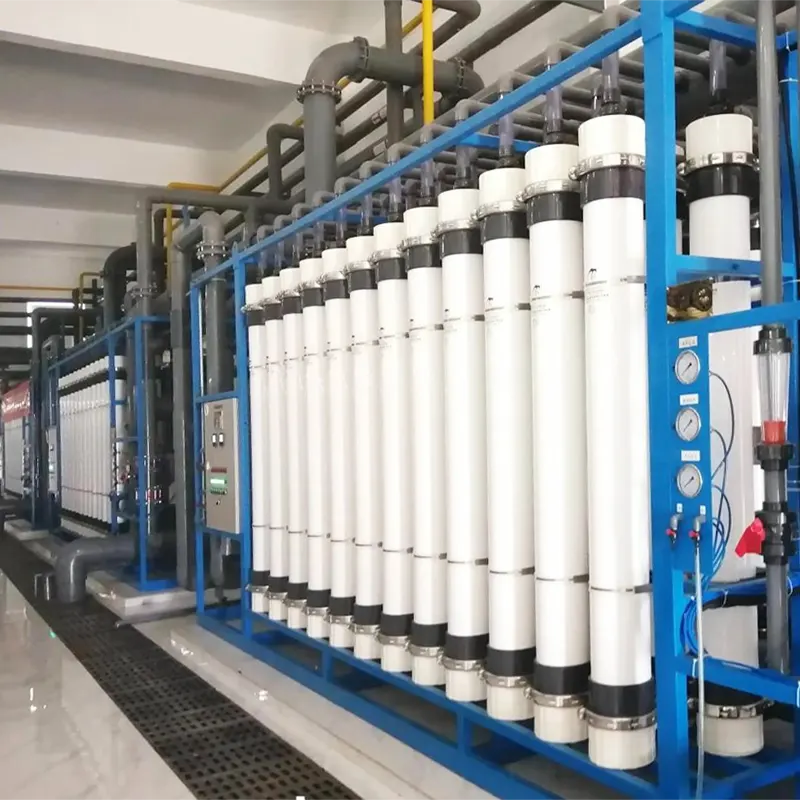
Ultrafiltration Equipment For Flower Cultivation

Table of Contents


1. Why Water Quality Matters in Flower Cultivation

High-value ornamental flowers such as roses, lilies, tulips, and orchids are extremely sensitive to water quality. Irrigation water contaminated with pathogens, suspended solids, or organic matter can result in:

  • Root rot and fungal infections
  • Blocked drip irrigation emitters
  • Uneven nutrient distribution
  • Reduced bloom size and discoloration
  • Shortened vase life

In greenhouse environments where recirculated water systems are common, microbial contamination can quickly spread. Implementing advanced filtration solutions such as Ultrafiltration Equipment for Flower Cultivation ensures a consistent supply of clean, pathogen-free water.


2. What Is Ultrafiltration Equipment?

Ultrafiltration (UF) is a membrane-based water purification process that removes particles ranging from 0.01 to 0.1 microns in size. This includes:

  • Bacteria
  • Algae
  • Colloids
  • Suspended solids
  • Some viruses

Unlike traditional sand filtration, ultrafiltration uses semi-permeable hollow fiber membranes to physically block contaminants while allowing water and dissolved nutrients to pass through.


3. How Does Ultrafiltration Work in Greenhouses?

  1. Pre-filtration: Removal of large particles via screen or multimedia filters.
  2. Membrane Filtration: Water passes through UF membranes under low pressure.
  3. Backwashing: Periodic cleaning removes accumulated contaminants.
  4. Disinfection (Optional): UV or ozone integration for enhanced microbial control.

The system can operate in either dead-end or cross-flow mode, depending on the water source quality and greenhouse scale.


4. Key Benefits of UF Systems for Floriculture

Benefit Impact on Flower Production
Pathogen Removal Prevents root diseases and crop loss
Stable Water Quality Ensures consistent nutrient absorption
Emitter Protection Reduces clogging and maintenance
Water Recycling Enables safe reuse of irrigation runoff
Chemical Reduction Lowers dependence on fungicides and disinfectants

Growers working with professional manufacturers like Wuxi Jingbo benefit from customized membrane configurations designed specifically for floriculture applications.


5. Ultrafiltration vs. Traditional Filtration Methods

Parameter Sand Filter Cartridge Filter Ultrafiltration
Filtration Precision 20–50 microns 5–20 microns 0.01–0.1 microns
Bacteria Removal No Partial Yes
Automation Low Medium High
Water Reuse Capability Limited Limited Excellent

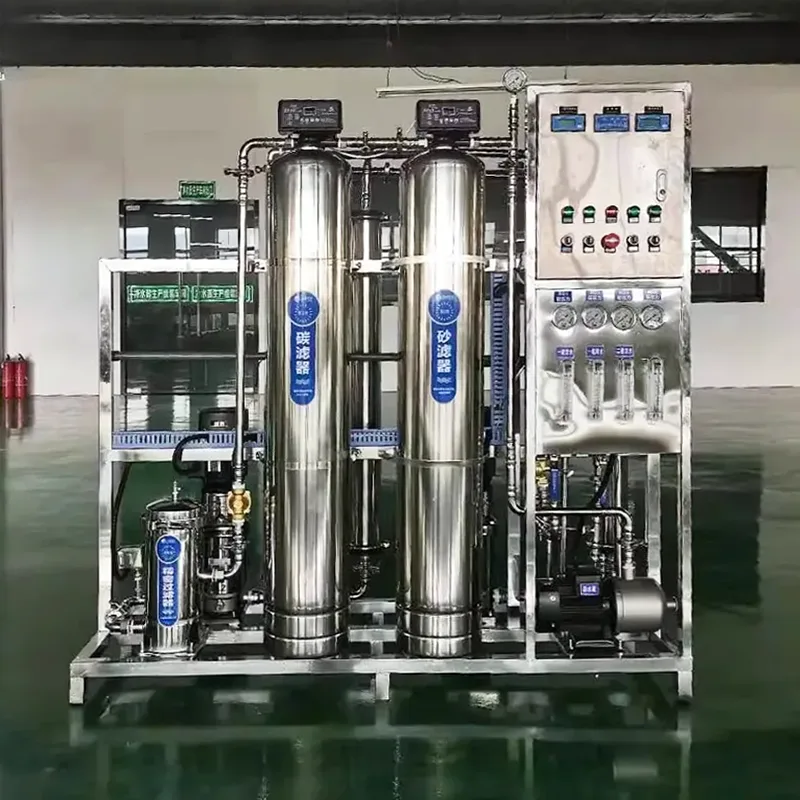
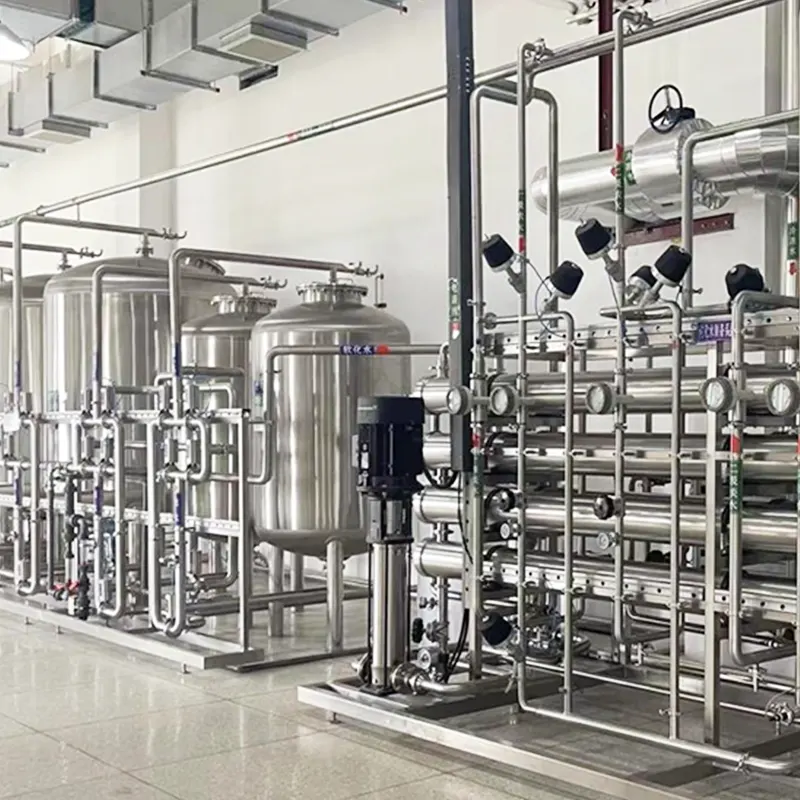
6. Main Components of a UF System

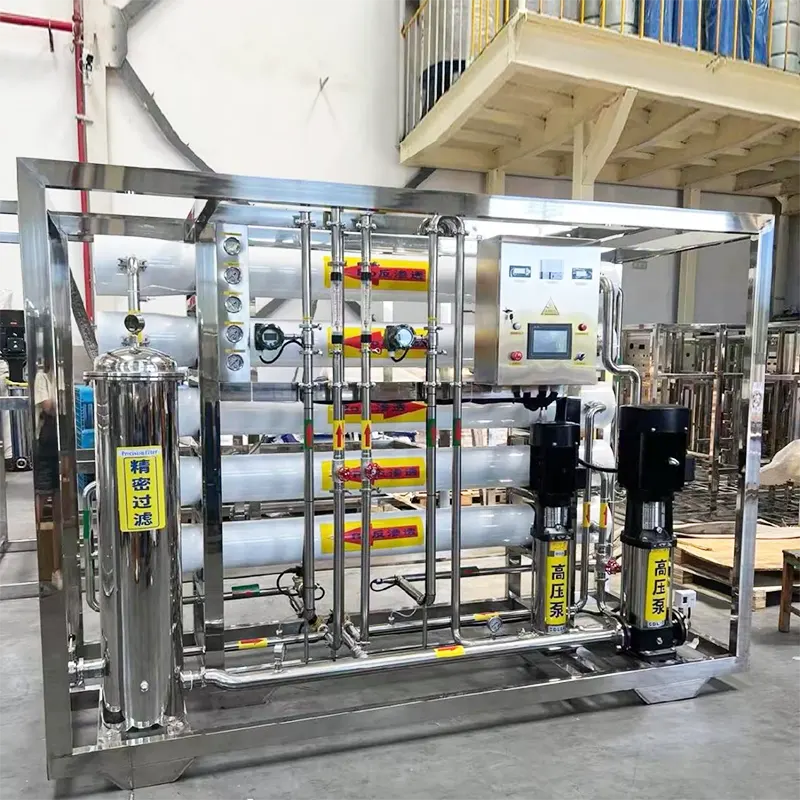
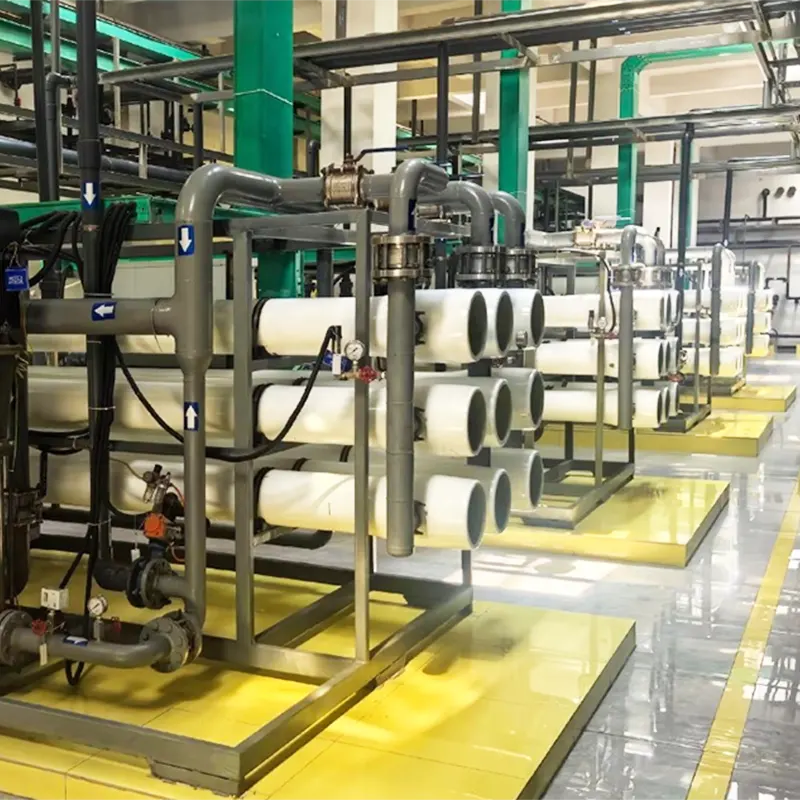
  • UF membrane modules
  • Feed water pump
  • Control panel (PLC automation)
  • Backwash pump and air compressor
  • Chemical cleaning tank (CIP system)
  • Pressure gauges and flow meters

Advanced systems integrate smart monitoring technology, allowing growers to track turbidity, transmembrane pressure (TMP), and flow rate in real time.


7. Installation and Integration in Flower Farms

Installing ultrafiltration equipment in flower cultivation typically follows these steps:

  1. Water quality testing and analysis
  2. System sizing based on irrigation demand
  3. Pre-treatment configuration
  4. Integration with fertigation system
  5. Commissioning and performance validation

Proper integration ensures that nutrient solutions remain stable and that beneficial minerals are not removed during filtration.


8. Maintenance and Operating Tips

  • Schedule automatic backwashing cycles
  • Monitor pressure differentials weekly
  • Perform chemical cleaning (CIP) when TMP increases
  • Inspect membrane integrity annually
  • Maintain stable feed water pH

With correct maintenance, UF membranes can last 3–5 years depending on operating conditions.


9. Cost Analysis and Return on Investment (ROI)

Although ultrafiltration systems require higher initial investment than sand filters, the long-term savings include:

  • Reduced crop loss
  • Lower chemical costs
  • Reduced irrigation system maintenance
  • Improved yield consistency
  • Water recycling savings

Many commercial growers report ROI within 1–2 growing seasons due to improved flower quality and reduced operational disruptions.


10. Environmental and Sustainability Benefits

Sustainability is increasingly important in floriculture. Ultrafiltration systems support:

  • Water conservation through recycling
  • Lower chemical discharge
  • Reduced groundwater extraction
  • Improved environmental compliance

As global markets demand eco-friendly flower production, advanced water treatment solutions position growers competitively.


11. Frequently Asked Questions (FAQ)

Q1: Can ultrafiltration remove fertilizer nutrients?

No. UF membranes remove suspended solids and microbes but allow dissolved nutrients to pass through.

Q2: Is UF suitable for small greenhouses?

Yes. Modular systems are available for both small and large-scale operations.

Q3: How often do membranes need replacement?

Typically every 3–5 years depending on water quality and maintenance.

Q4: Can UF systems treat rainwater and surface water?

Yes. They are particularly effective for treating collected rainwater and pond water used in irrigation.

Q5: Is automation available?

Modern systems feature PLC-based automatic control for filtration and cleaning cycles.


Conclusion

Ultrafiltration Equipment for Flower Cultivation represents a transformative upgrade for modern greenhouse irrigation systems. By delivering superior water quality, protecting crops from pathogens, and enabling sustainable water reuse, UF systems directly enhance flower yield, quality, and profitability.

If you are looking to upgrade your greenhouse water treatment system with reliable, efficient, and customized solutions, Wuxi Jingbo offers professional engineering support and tailored ultrafiltration equipment to meet your specific needs. Contact us today to discover how advanced membrane technology can elevate your flower cultivation success.

Related News
Leave me a message
X
We use cookies to offer you a better browsing experience, analyze site traffic and personalize content. By using this site, you agree to our use of cookies. Privacy Policy
Reject Accept