Follow Us:

News

How Can Ultrafiltration Equipment Transform Water Quality for Flower Cultivation

2026-03-11 0 Leave me a message

Water quality is one of the most critical factors influencing modern flower cultivation. From greenhouse irrigation to nutrient solution preparation, impurities, microorganisms, and suspended particles in water can significantly affect plant growth, flower yield, and overall crop quality.

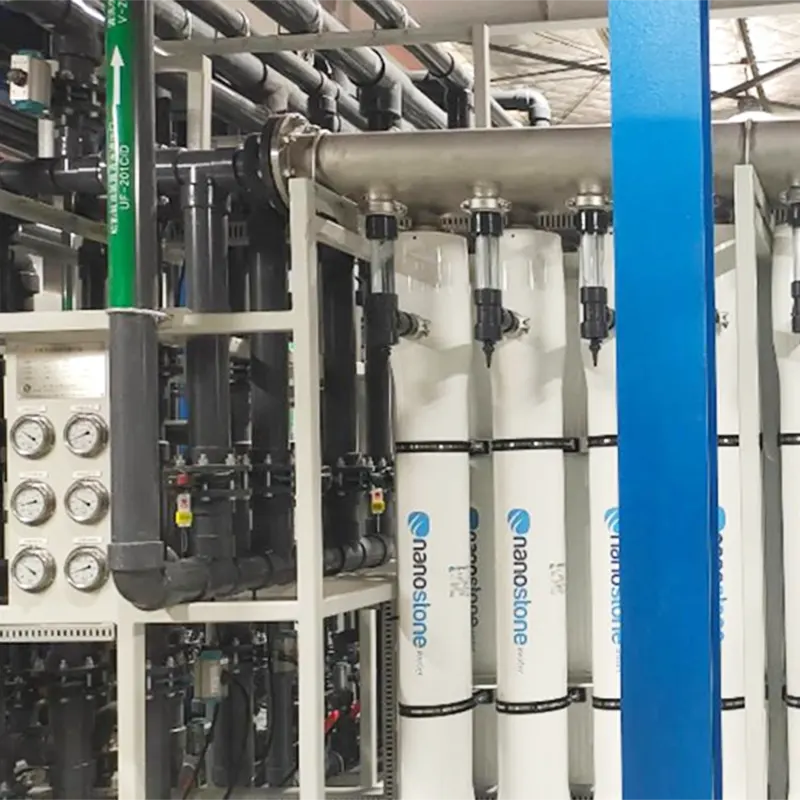
This comprehensive guide explores how Ultrafiltration Equipment For Flower Cultivation helps growers maintain optimal irrigation water conditions. By using advanced membrane filtration technology, ultrafiltration systems remove bacteria, suspended solids, algae, and other contaminants while preserving beneficial minerals required for plant growth.

In this article, we will discuss the working principles of ultrafiltration equipment, its advantages in greenhouse flower production, system components, maintenance practices, and practical application scenarios. We will also explain how advanced filtration solutions developed by Wuxi Jingbo help horticulture businesses improve efficiency, sustainability, and flower quality.

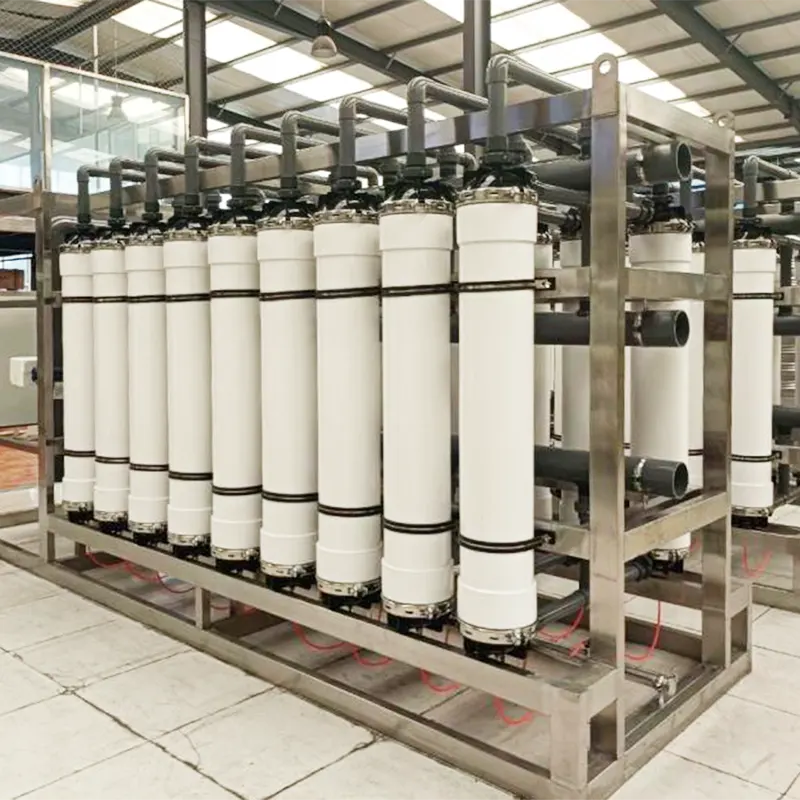
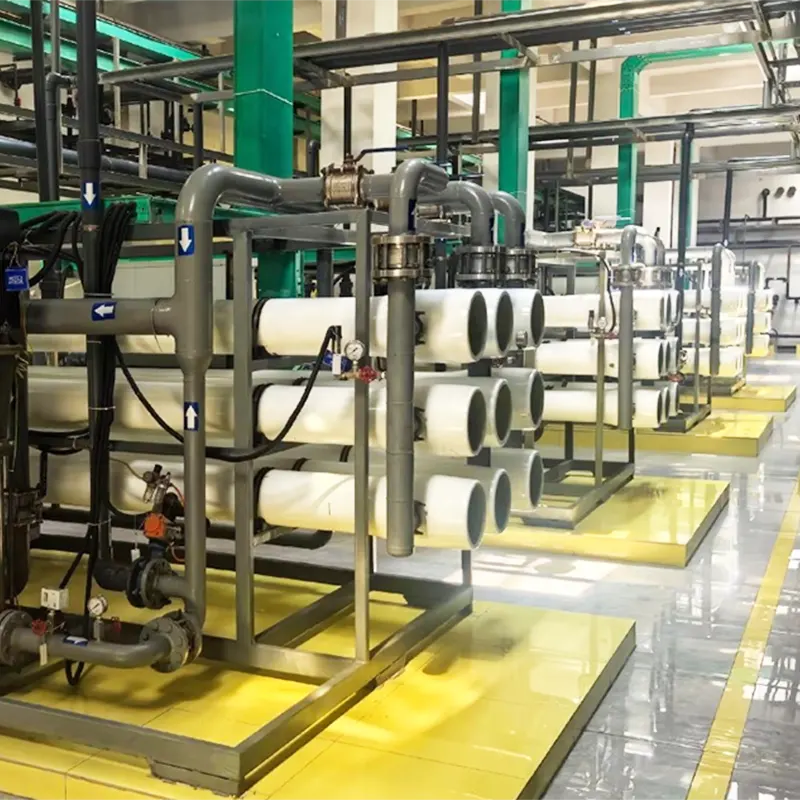
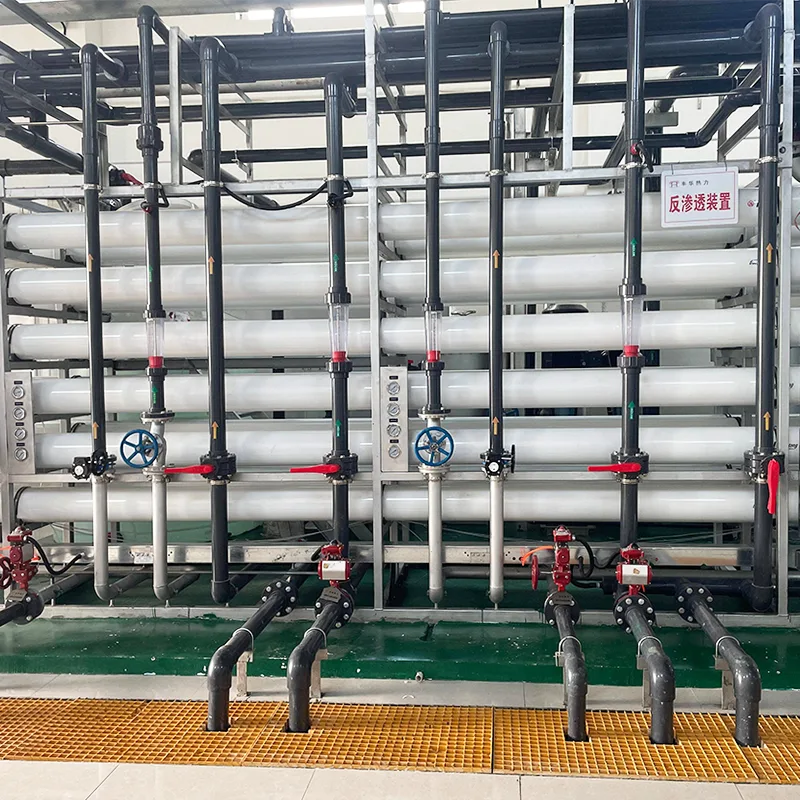
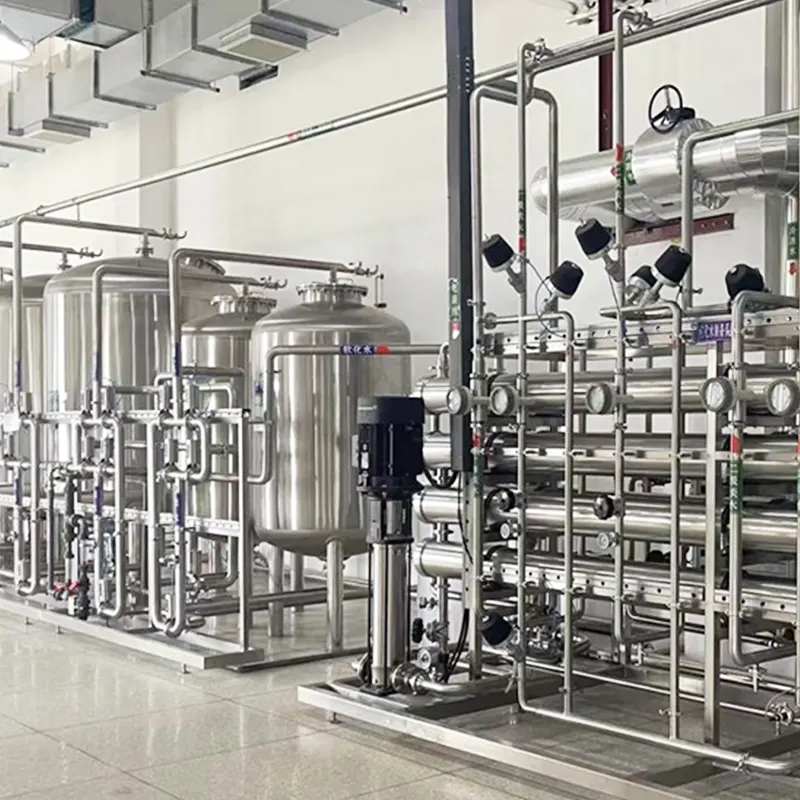
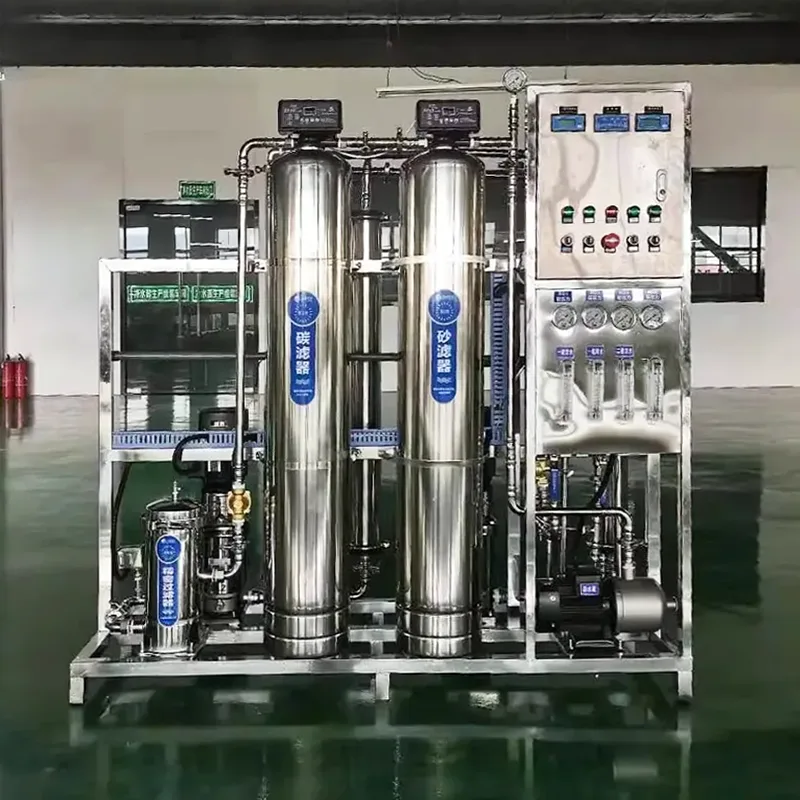
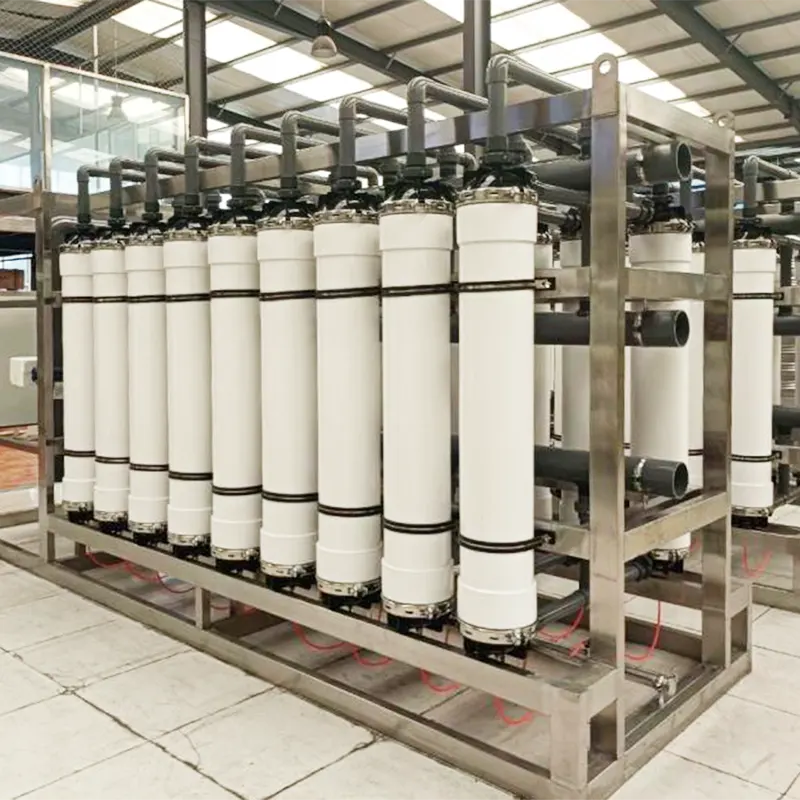
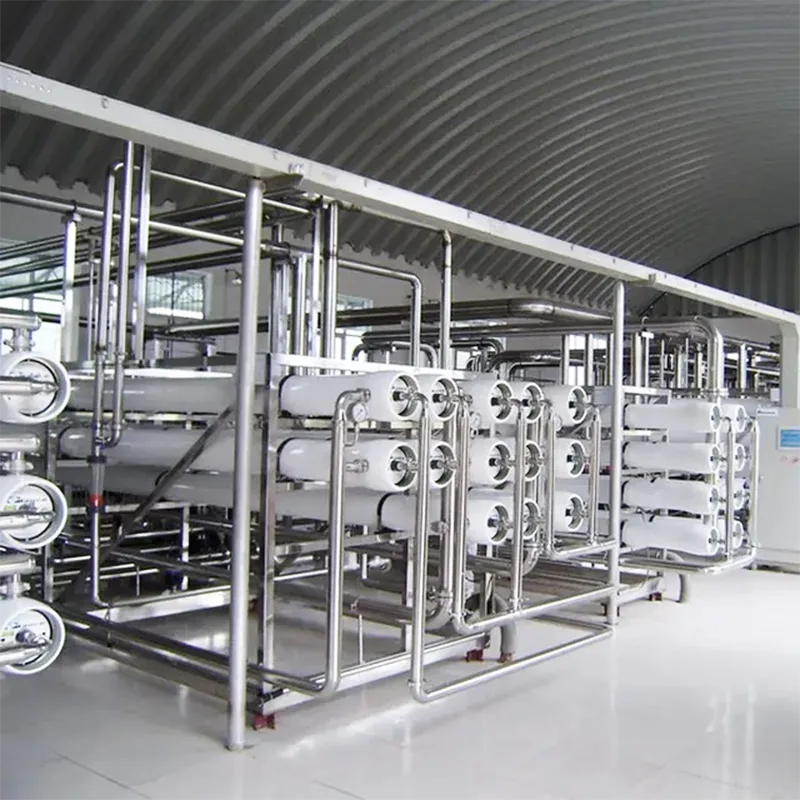
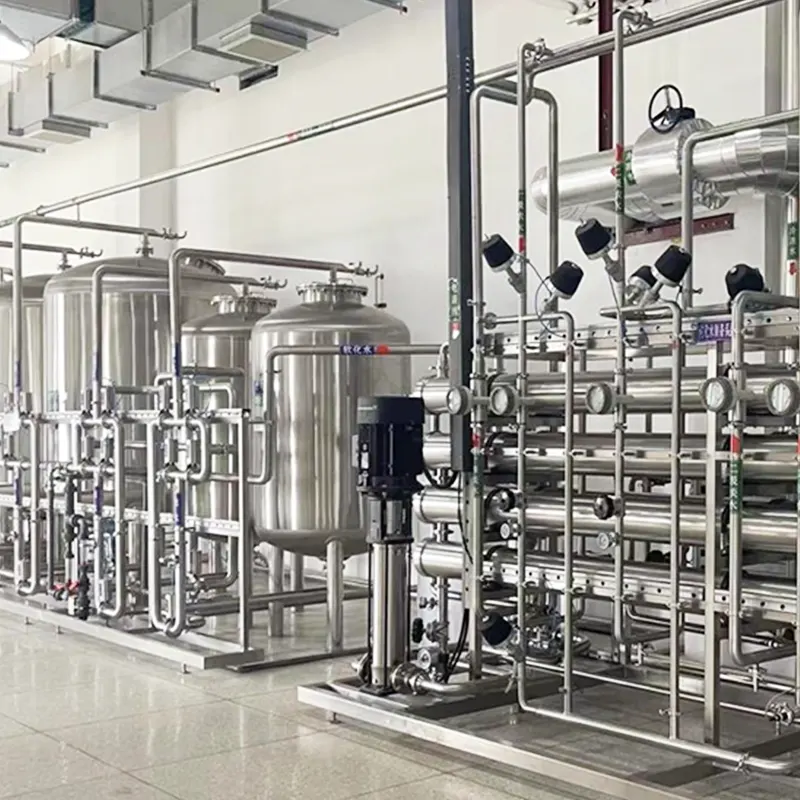
Ultrafiltration Equipment For Flower Cultivation

Table of Contents


Why Is Water Quality Important for Flower Cultivation?

Water is the primary carrier of nutrients in horticulture systems. In flower cultivation, irrigation water must meet strict quality standards to ensure optimal plant development. Poor water quality can introduce pathogens, sediment, and harmful chemicals that disrupt plant metabolism.

Common water problems faced by flower growers include:

  • Suspended solids clogging irrigation pipelines
  • Microbial contamination causing root diseases
  • Algae growth blocking drip irrigation systems
  • Organic pollutants affecting nutrient absorption
  • Unstable pH levels impacting plant growth

Without proper filtration, these contaminants can lead to:

  • Reduced flower yield
  • Uneven plant growth
  • Higher maintenance costs
  • Frequent irrigation system blockages

This is why advanced water treatment technologies such as Ultrafiltration Equipment For Flower Cultivation have become essential tools in modern horticulture.


What Is Ultrafiltration Equipment for Flower Cultivation?

Ultrafiltration (UF) equipment is a membrane-based filtration system designed to remove suspended particles, bacteria, viruses, and macromolecules from water. Unlike conventional filtration methods, ultrafiltration uses a semi-permeable membrane that separates contaminants at the microscopic level.

Typical ultrafiltration membranes have pore sizes ranging from 0.01 to 0.1 microns, allowing clean water and essential minerals to pass through while trapping harmful impurities.

Filtration Technology Typical Pore Size Main Purpose
Sand Filtration 20–50 microns Removes large particles
Microfiltration 0.1–10 microns Removes bacteria and sediment
Ultrafiltration 0.01–0.1 microns Removes bacteria, viruses, colloids
Reverse Osmosis 0.0001 microns Removes dissolved salts

Ultrafiltration is particularly suitable for horticulture because it removes biological contaminants without eliminating beneficial minerals required by plants.


How Does Ultrafiltration Technology Work?

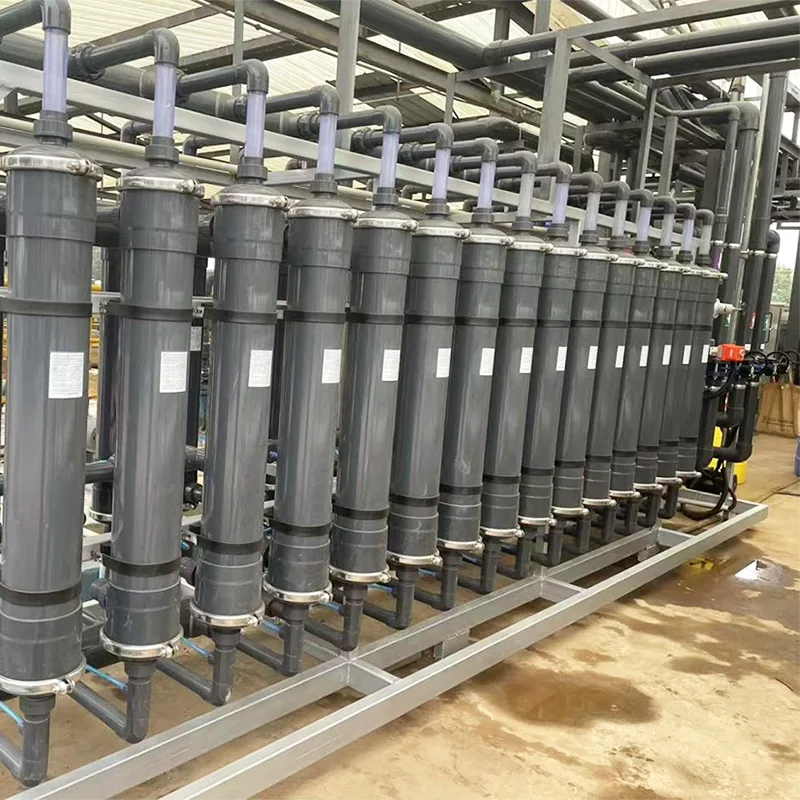
Ultrafiltration systems operate using pressure-driven membrane separation. Water is forced through specialized hollow fiber membranes that act as microscopic barriers.

Basic Operating Process

  1. Raw irrigation water enters the pretreatment stage.
  2. The water passes through ultrafiltration membranes.
  3. Contaminants remain on the membrane surface.
  4. Clean filtered water exits the system.
  5. Backwashing periodically removes accumulated particles.

The result is high-quality irrigation water suitable for sensitive horticultural crops such as roses, lilies, orchids, and tulips.


Key Components of an Ultrafiltration System

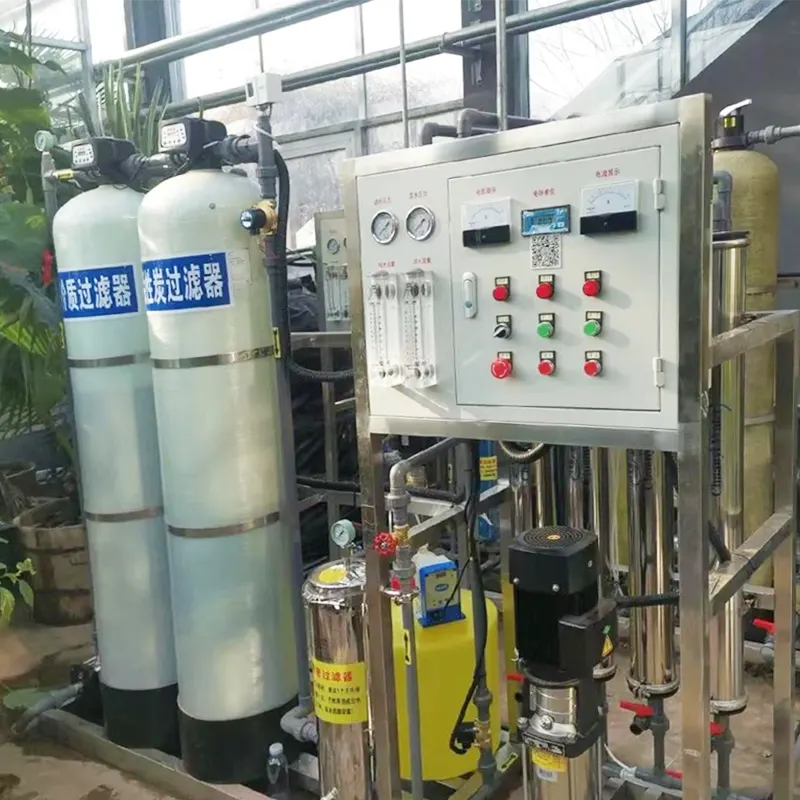
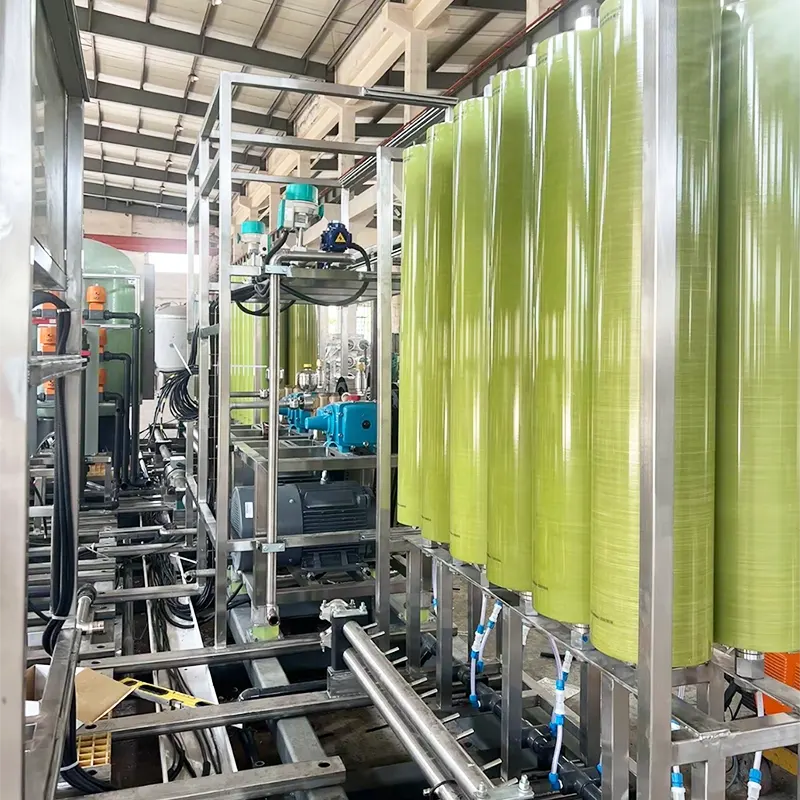
A complete ultrafiltration system for flower cultivation includes several integrated components that ensure efficient and continuous operation.

Component Function
Feed Pump Provides pressure to push water through membranes
UF Membrane Module Main filtration component
Control System Automates operation and monitoring
Backwash System Cleans membranes periodically
Chemical Cleaning Unit Removes organic or biological fouling

Manufacturers like Wuxi Jingbo design integrated ultrafiltration solutions specifically for horticulture environments, ensuring long service life and stable performance.


Major Benefits for Flower Growers

Installing ultrafiltration equipment provides multiple operational advantages for flower producers.

1. Improved Irrigation Water Quality

Ultrafiltration removes suspended solids, pathogens, and organic matter that may damage plants or irrigation systems.

2. Reduced Plant Disease Risk

Many plant diseases spread through contaminated water. UF membranes effectively remove harmful microorganisms.

3. Protection for Irrigation Systems

Drip irrigation systems and sprinklers are highly sensitive to sediment. Clean water prevents clogging.

4. Increased Flower Yield and Quality

Stable water quality ensures consistent nutrient delivery, resulting in healthier plants and higher-quality blooms.

5. Sustainable Water Reuse

Ultrafiltration allows greenhouses to recycle irrigation water safely, reducing environmental impact.


Applications in Modern Flower Greenhouses

Ultrafiltration systems are widely used across commercial horticulture operations.

Typical Applications

  • Greenhouse irrigation water treatment
  • Hydroponic nutrient solution purification
  • Rainwater recycling systems
  • Water reuse in flower nurseries
  • Algae removal from irrigation reservoirs

These systems are particularly valuable for high-value flower crops that require precise environmental control.


Ultrafiltration vs Other Water Treatment Methods

Technology Advantages Limitations
Sand Filter Low cost Limited filtration accuracy
Activated Carbon Removes chlorine and odor Does not remove microbes
Ultrafiltration High removal efficiency for microorganisms Requires membrane maintenance
Reverse Osmosis Removes dissolved salts Higher energy consumption

For most flower cultivation systems, ultrafiltration provides the best balance between filtration efficiency and operational cost.


Maintenance and Operational Tips

To ensure long-term performance of ultrafiltration equipment, regular maintenance is essential.

Best Practices

  • Perform scheduled membrane backwashing
  • Monitor system pressure and flow rate
  • Use appropriate pretreatment for highly turbid water
  • Conduct periodic chemical cleaning
  • Inspect pumps and valves regularly

Proper system management can extend membrane life and maintain stable filtration performance for years.


Future Trends in Agricultural Water Filtration

The horticulture industry is rapidly adopting advanced water treatment technologies to meet sustainability and productivity goals.

Emerging Innovations

  • Smart monitoring systems for filtration equipment
  • Energy-efficient membrane materials
  • Automated irrigation integration
  • AI-based water quality control systems

Companies such as Wuxi Jingbo are investing heavily in research and development to create more efficient ultrafiltration solutions tailored for agriculture and greenhouse cultivation.


Frequently Asked Questions

1. What contaminants can ultrafiltration remove from irrigation water?

Ultrafiltration removes suspended solids, bacteria, viruses, algae, and colloidal particles, making it ideal for greenhouse irrigation systems.

2. Is ultrafiltration suitable for hydroponic flower production?

Yes. UF systems maintain clean nutrient solutions while preserving essential minerals required for plant growth.

3. How often should ultrafiltration membranes be cleaned?

Cleaning frequency depends on water quality, but most systems require periodic backwashing and occasional chemical cleaning.

4. Can ultrafiltration systems recycle greenhouse wastewater?

Yes. Many modern greenhouses reuse irrigation runoff after ultrafiltration treatment, reducing water consumption.

5. What is the lifespan of an ultrafiltration membrane?

With proper maintenance, UF membranes typically last between 3 and 5 years.


Conclusion

High-quality water is essential for successful flower cultivation, especially in modern greenhouse operations where precision irrigation and nutrient management are critical. Ultrafiltration technology offers an efficient and reliable solution for removing contaminants while preserving beneficial minerals needed for plant growth.

By integrating advanced Ultrafiltration Equipment For Flower Cultivation, growers can significantly improve irrigation water quality, reduce plant disease risks, protect irrigation infrastructure, and increase flower yield and quality.

If you are looking for professional ultrafiltration solutions tailored to horticulture applications, Wuxi Jingbo provides advanced membrane filtration systems designed to meet the demanding needs of modern flower cultivation.

Want to upgrade your greenhouse water treatment system and improve flower production efficiency? Contact us today to learn how our ultrafiltration solutions can support your cultivation success.

Related News
Leave me a message
X
We use cookies to offer you a better browsing experience, analyze site traffic and personalize content. By using this site, you agree to our use of cookies. Privacy Policy
Reject Accept