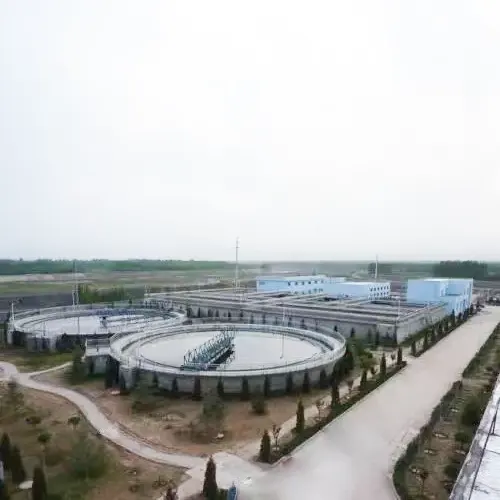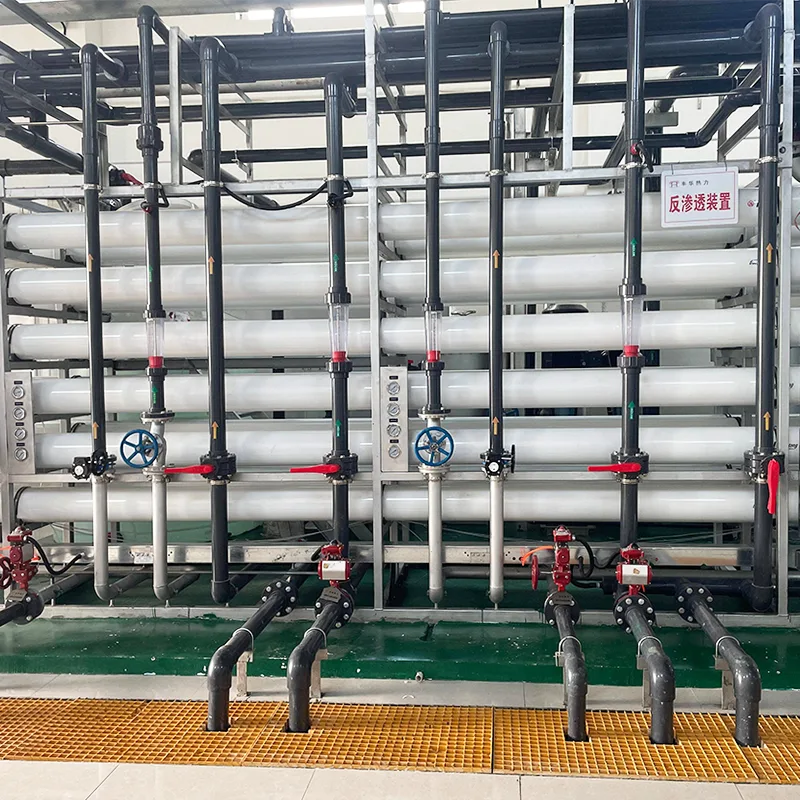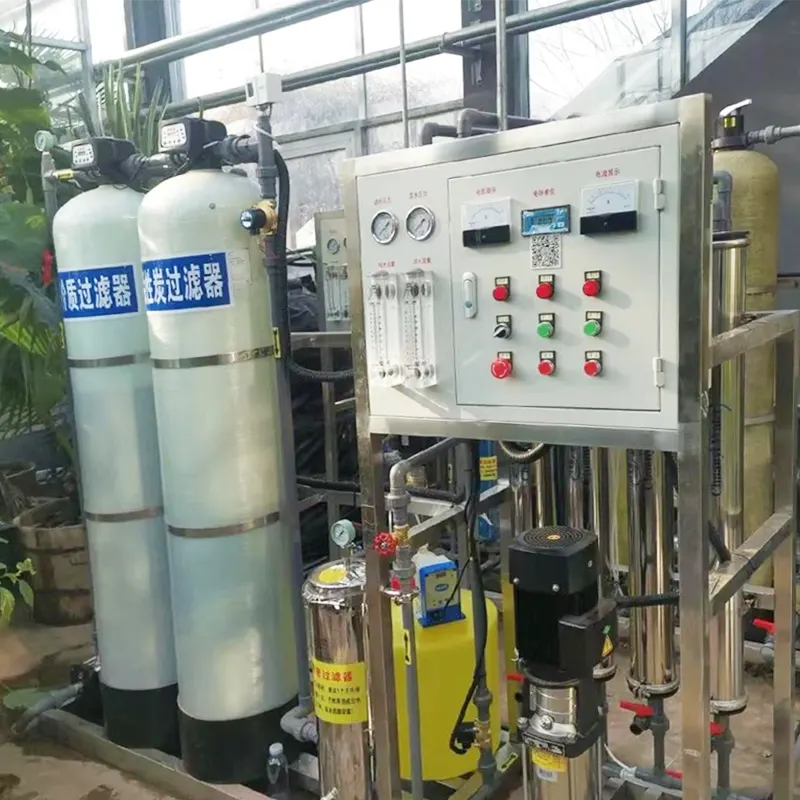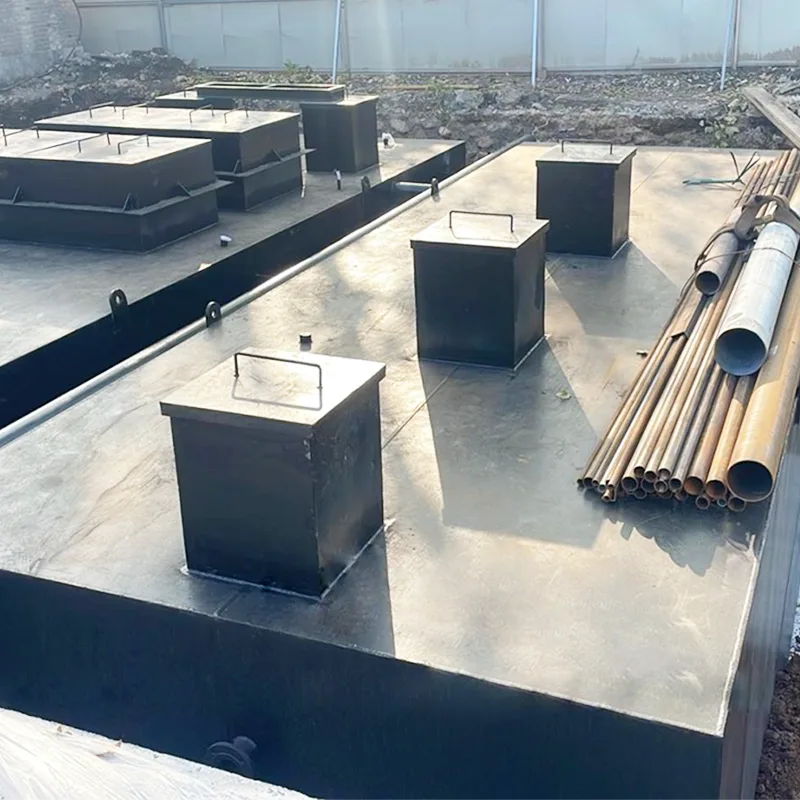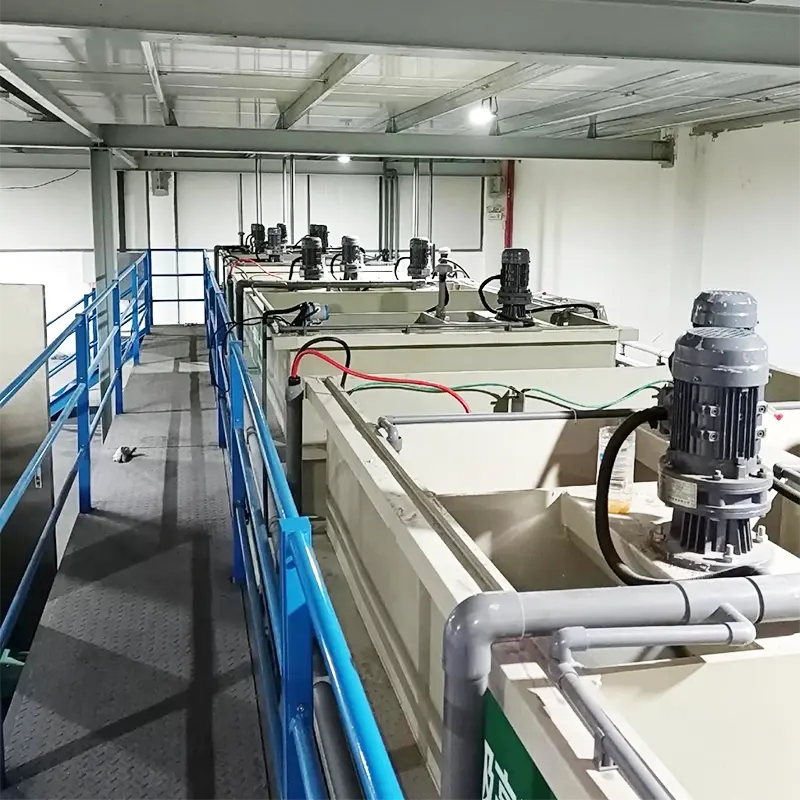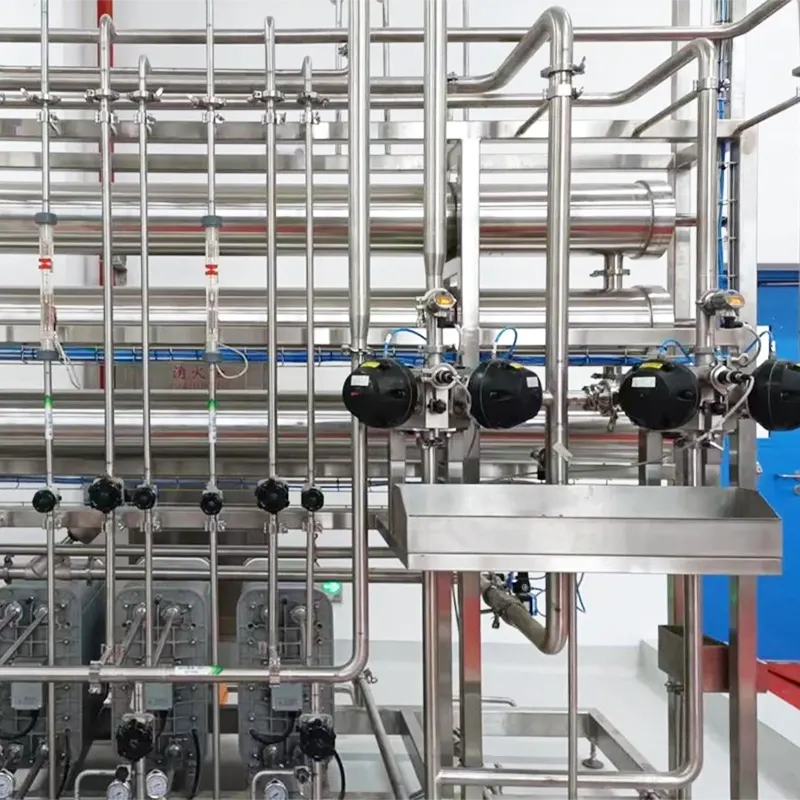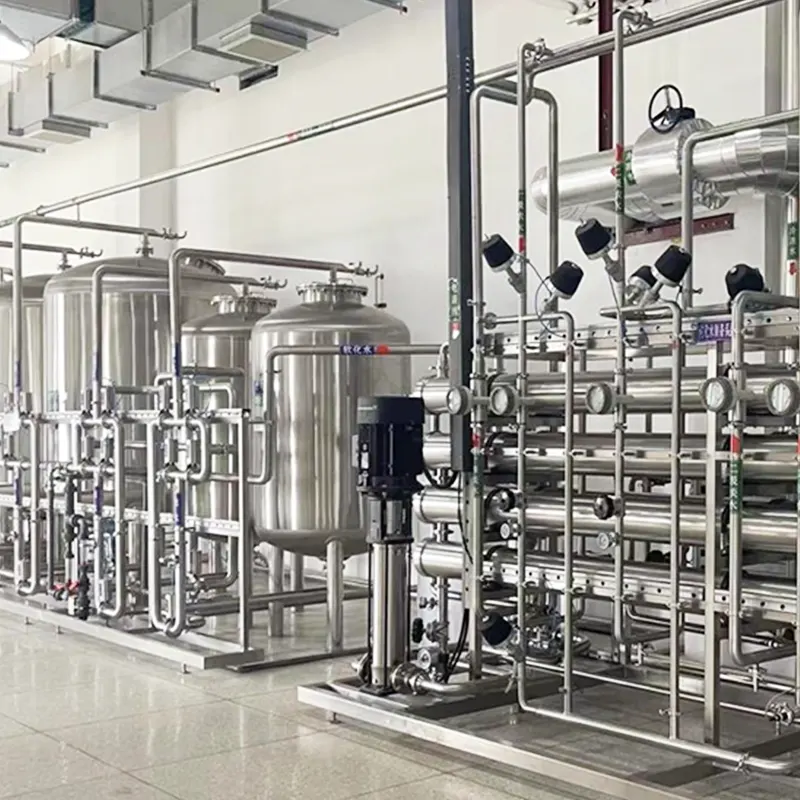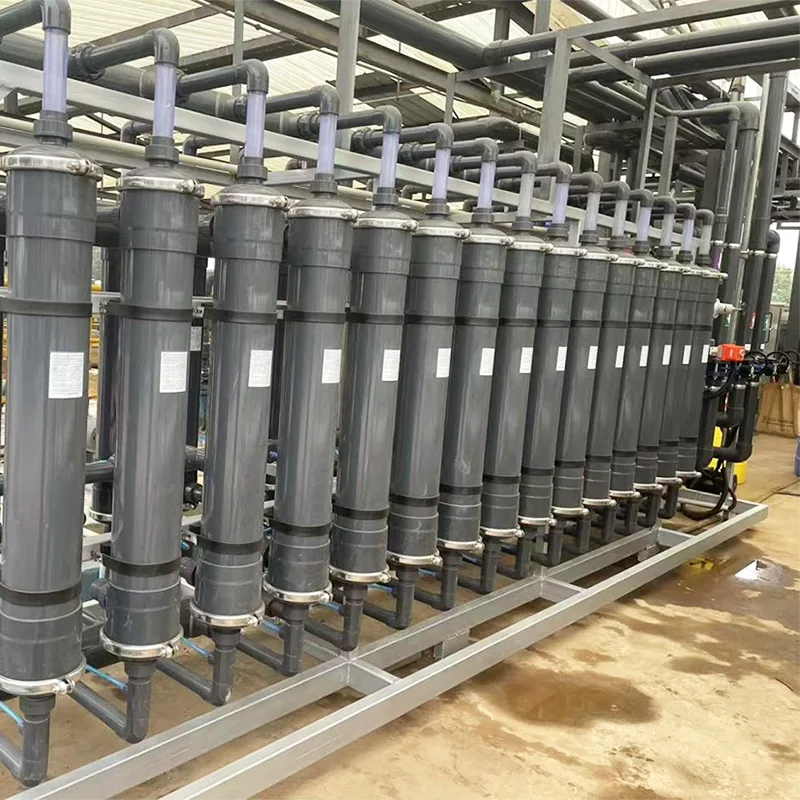

Abstract: Industrial-grade ultrafiltration equipment has become a cornerstone in modern water treatment solutions. In this article, we explore how advanced ultrafiltration systems by Jingbo enhance water purity, improve operational efficiency, and reduce costs across multiple industries. We will cover technology, applications, maintenance, and FAQs for factory managers and engineers.
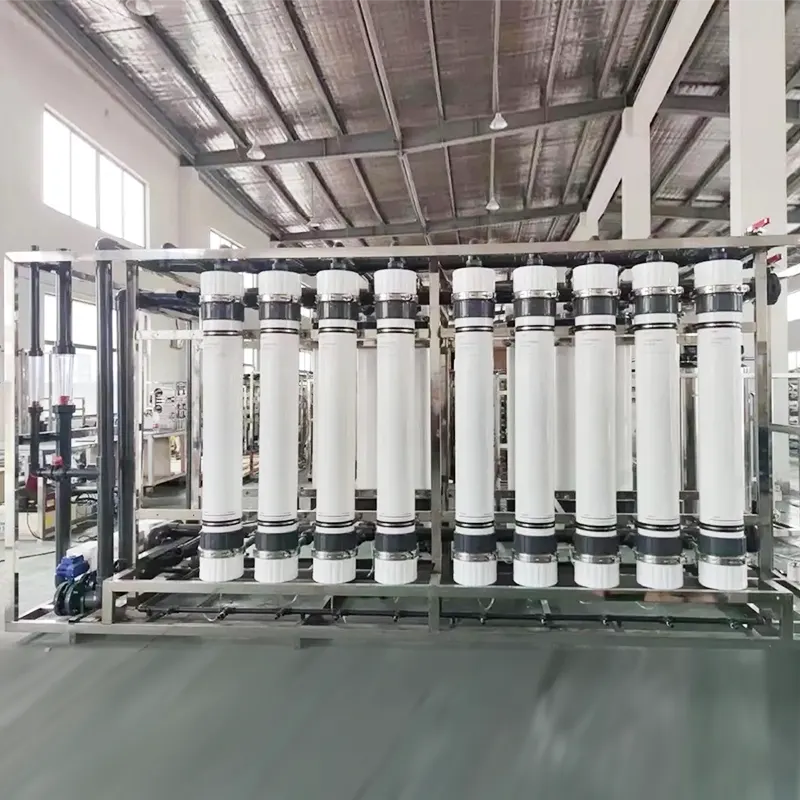
Table of Contents
- Overview of Industrial-Grade Ultrafiltration Equipment
- Advanced Ultrafiltration Technology Explained
- Applications Across Different Industries
- Operation and Maintenance Tips
- Key Benefits of Using Ultrafiltration
- Comparison with Traditional Water Treatment Methods
- Frequently Asked Questions
- Contact Us for Customized Solutions
Overview of Industrial-Grade Ultrafiltration Equipment
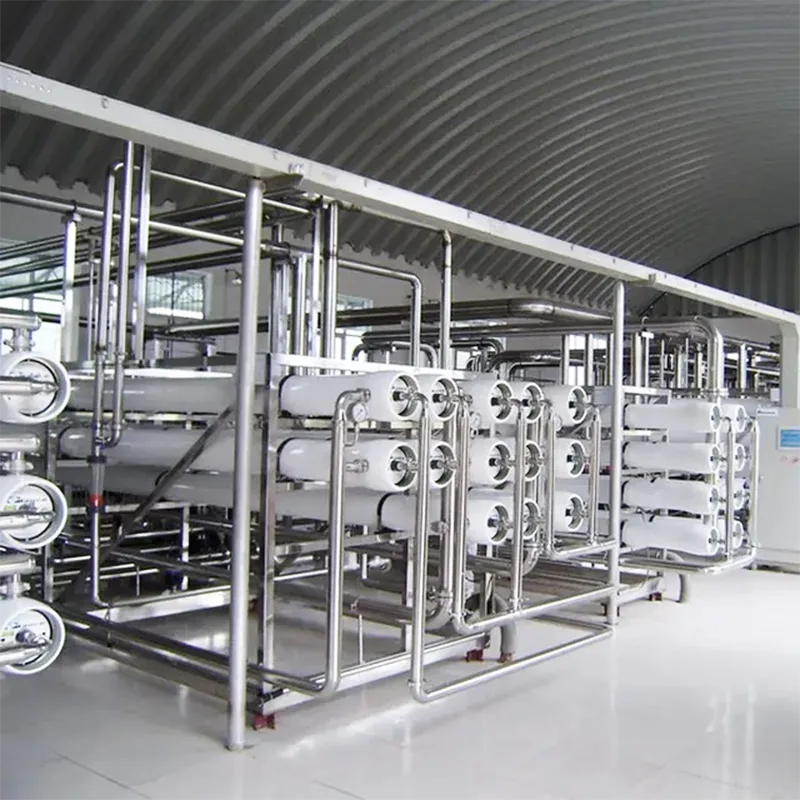
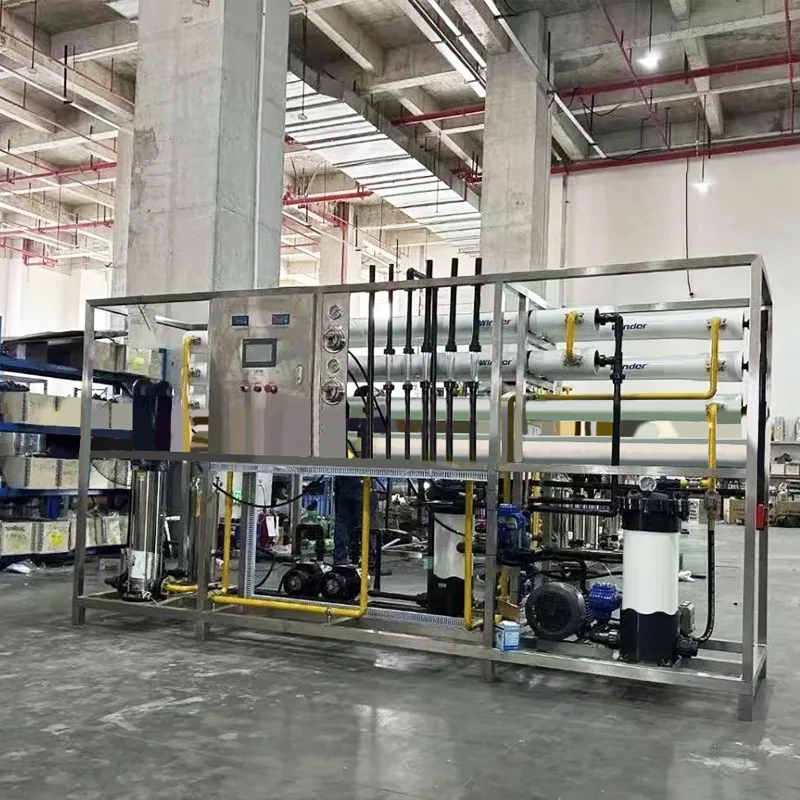
Industrial-grade ultrafiltration (UF) equipment is designed to remove suspended solids, bacteria, and macromolecules from water while retaining essential minerals. Jingbo’s systems use high-precision PVDF membranes with pore sizes ranging from 0.001 to 0.1 microns, achieving turbidity levels below 0.1 NTU and water recovery rates exceeding 90%.
The modular design allows capacity expansion without replacing the entire system, and automated controls reduce manual oversight.
Advanced Ultrafiltration Technology Explained
At the core of industrial-grade ultrafiltration equipment is the cross-flow filtration principle. Unlike conventional filtration, where water passes through a stationary filter, cross-flow forces water tangentially across the membrane surface, minimizing fouling and enhancing lifespan.
Core Features of Jingbo Ultrafiltration Systems
- Pressure-driven ultra-precise membranes
- Automated cleaning and monitoring systems
- Food-grade material contact surfaces
- Energy-efficient operation for reduced costs
- Scalable modular assembly
| Feature | Description | Benefit |
|---|---|---|
| Membrane Material | PVDF, 0.001-0.1 microns pore size | High selectivity for contaminants while allowing water and minerals to pass |
| Water Recovery Rate | >90% | Maximizes reuse, reduces waste |
| Automation | Real-time monitoring and self-cleaning | Minimizes downtime and labor cost |
| Energy Efficiency | Low operating pressure and consumption | Cost-effective long-term operation |
Applications Across Different Industries
Industrial-grade ultrafiltration equipment is widely used across:
- Chemical Manufacturing: Purifying process water and recovering solvents.
- Dyeing & Printing: Recovering pigments and reducing wastewater emissions.
- Power Plants: Treating boiler water for improved efficiency.
- Food & Beverage: Ensuring hygiene standards and removing bacteria.
- Pharmaceuticals: Producing ultrapure water for formulations.
Each industry benefits from improved water clarity, reduced chemical use, and regulatory compliance.
Operation and Maintenance Tips
Jingbo’s industrial-grade ultrafiltration systems are designed for minimal maintenance:
- Regular inspection of membrane integrity.
- Automated backwashing to reduce fouling.
- Monitoring flow rates and pressure drop across membranes.
- Scheduled replacement of worn modules (typically every 3–5 years).
- Use of approved cleaning chemicals to prolong membrane life.
Key Benefits of Using Ultrafiltration
- High Water Purity: Removes bacteria, proteins, and suspended solids efficiently.
- Energy Savings: Reduces electricity consumption compared to thermal methods.
- Operational Flexibility: Modular design allows easy capacity expansion.
- Environmental Impact: Reduces wastewater discharge and promotes recycling.
- Cost-Effectiveness: Long-term savings through low maintenance and high recovery rates.
Comparison with Traditional Water Treatment Methods
| Parameter | Ultrafiltration Equipment | Traditional Methods (Coagulation/Filtration) |
|---|---|---|
| Water Recovery Rate | >90% | 50-70% |
| Energy Consumption | Low | High |
| Operational Complexity | Automated monitoring | Manual supervision required |
| Maintenance | Minimal | Frequent filter replacement |
| Purity Level | Turbidity <0.1 NTU | Turbidity 1-5 NTU |
Frequently Asked Questions
1. What industries benefit the most from ultrafiltration equipment?
Industries such as chemical manufacturing, pharmaceuticals, food and beverage, and power generation see the greatest advantages in water purity, cost savings, and compliance.
2. How often should membranes be replaced?
Typically every 3–5 years, depending on feed water quality and operational conditions.
3. Is the system energy-efficient?
Yes, Jingbo ultrafiltration systems operate at low pressure, consuming significantly less electricity than traditional methods.
4. Can the system be expanded for higher capacity?
Absolutely. The modular design allows users to add membrane modules as production needs grow.
5. Does Jingbo provide support and installation?
Yes, Jingbo offers comprehensive installation, training, and after-sales support for all ultrafiltration systems.
Contact Us for Customized Solutions
If you are ready to improve water purity and operational efficiency in your factory, contact us at Jingbo today. Our team provides personalized consultations, quotations, and tailored ultrafiltration solutions for your industrial needs. Don’t wait—enhance your production quality and sustainability now!